
China's Climate Crisis: Grappling with Extreme Weather and Urgent Consequences
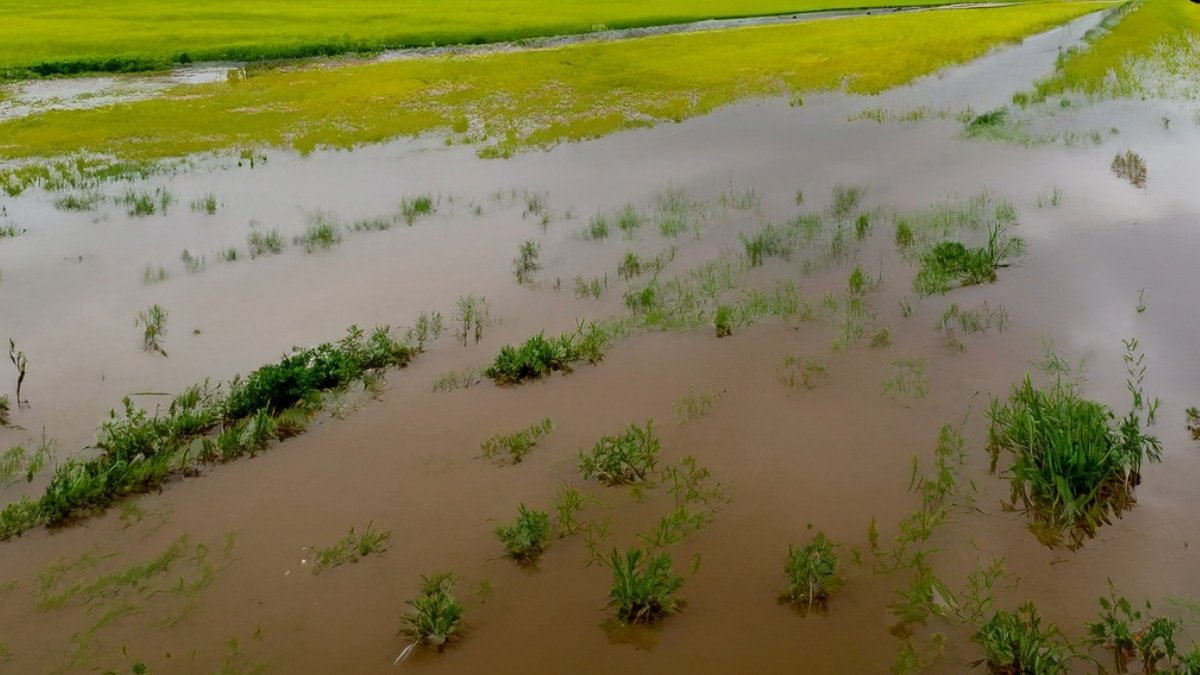
Flooding in China causes loss of life and severely impacts food supplies
China is grappling with the dual threats of extreme heat and devastating floods this summer, and the consequences of these climate-related events are reaching far beyond the affected regions. Climate scientists attribute the increasing frequency and severity of floods in China to global warming, as rising temperatures lead to more moisture in the atmosphere, resulting in intense rainfall and more severe storms. While better monitoring and data recording systems have contributed to the surge in reported floods, it's clear that climate change is a significant driver.
The economic and human costs of these disasters are substantial. In addition to the loss of lives, the flooding has severely impacted food supplies, with 40% of the famous Wuchang rice crop wiped out in one month. The devastation underscores the immediate and tangible consequences of not addressing climate change urgently. As these extreme events become more frequent and severe, the need for infrastructure upgrades and disaster preparedness is growing.
China's experience serves as a stark reminder that the world is ill-prepared for the increasing onslaught of extreme weather events. Addressing climate change is not only about reducing emissions; it's about adapting to the new normal of climate extremes. As we confront these challenges, it's essential to recognize that climate change is a global issue that requires coordinated efforts from all nations to mitigate its impacts effectively.
SOURCE: Read the full story on BBC News
FOLLOW: BBC News on Climate Change

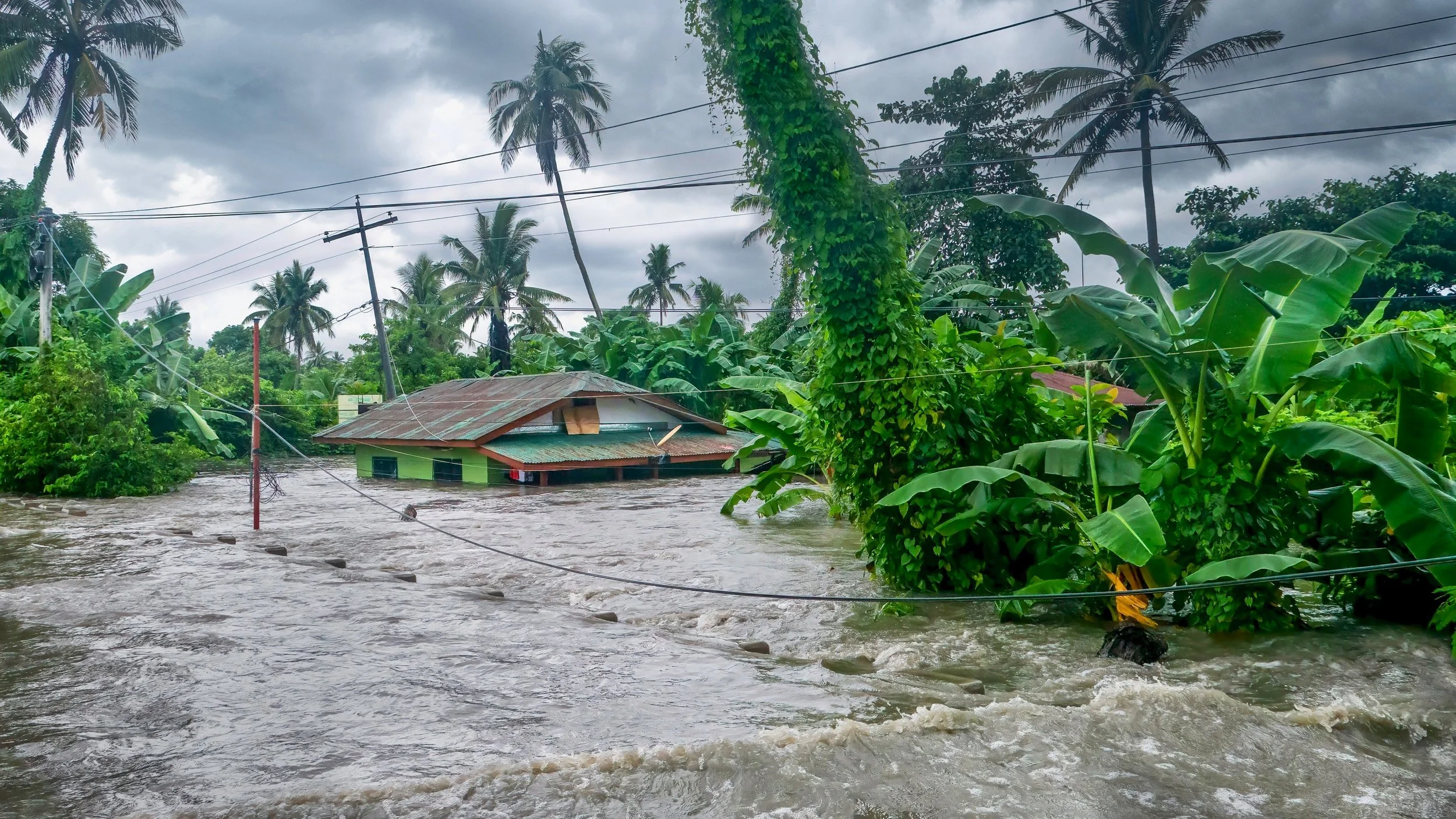
Scott Medintz explores a recent analysis commissioned by Consumer Reports and supported by Breakthrough Energy. Conducted by ICF, the study forecasts significant financial burdens for individuals born in 2024 if climate change mitigation efforts are not substantially strengthened.



A UCLA study reveals that January's wildfires in Los Angeles County could cost up to $164 billion, making it the second-most expensive natural disaster in U.S. history. The article explores the devastating economic toll, including loss of life, destroyed homes, and long-term impacts on California's economy.

The Biden administration's FEMA reforms, effective March 22, 2024, streamline disaster relief with a $750 payment for shelter and new "displacement assistance," enhancing response to climate events.


This summer, extreme weather events have taken a toll on some of North America's most renowned attractions.

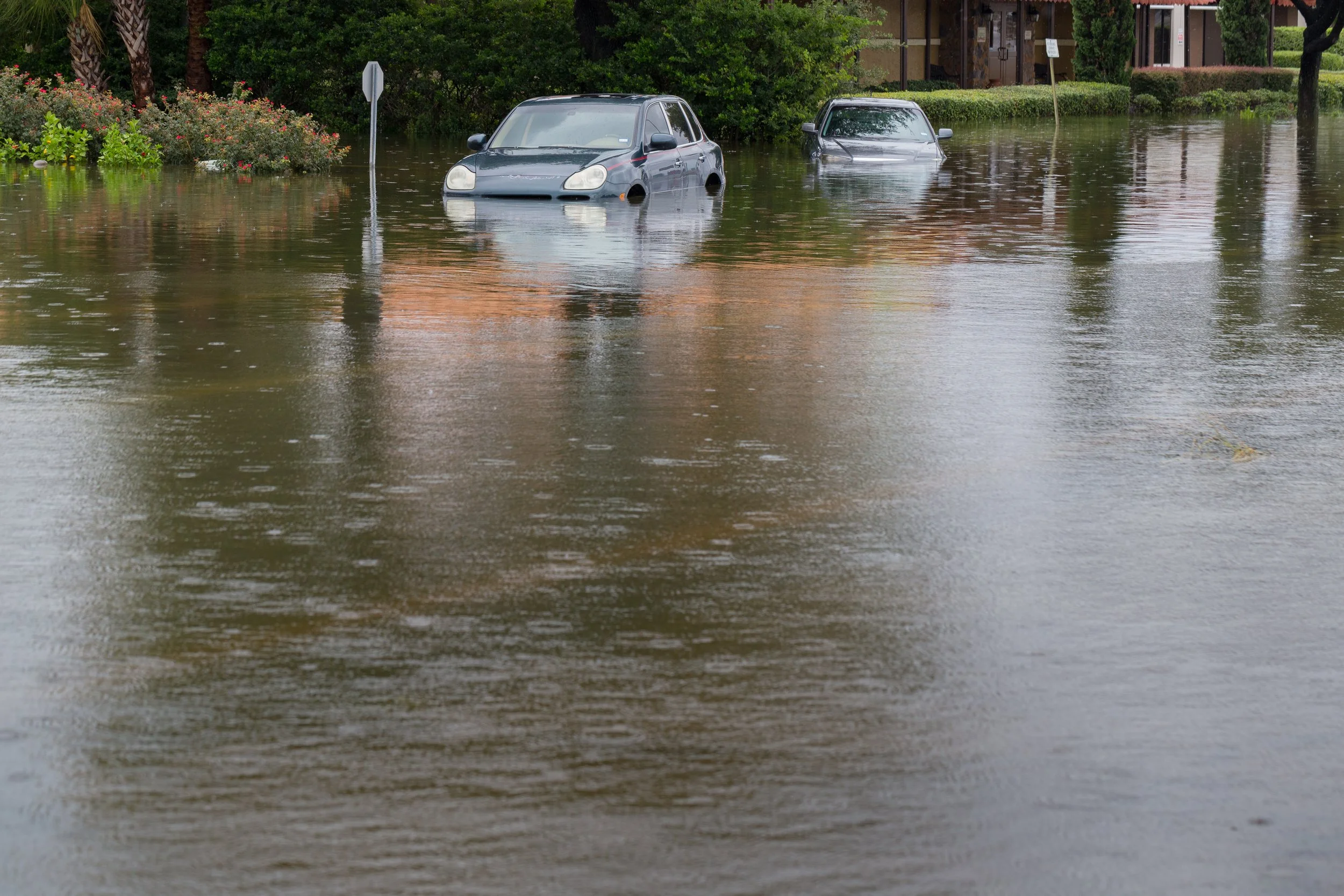
Average annual property insurance premiums in Florida surged to over $4,200 in 2022, three times the national average. For many homeowners these premiums are becoming unmanageable, forcing them to consider relocating.

China is grappling with the dual threats of extreme heat and devastating floods this summer, and the consequences of these climate-related events are reaching far beyond the affected regions.

The average cost of homeowners' insurance has surged to $1,900 a year nationwide, driven by climate risk, prompting insurers to reassess pricing models and leading to a 12 percent increase in premiums in 2022, with further rises anticipated.
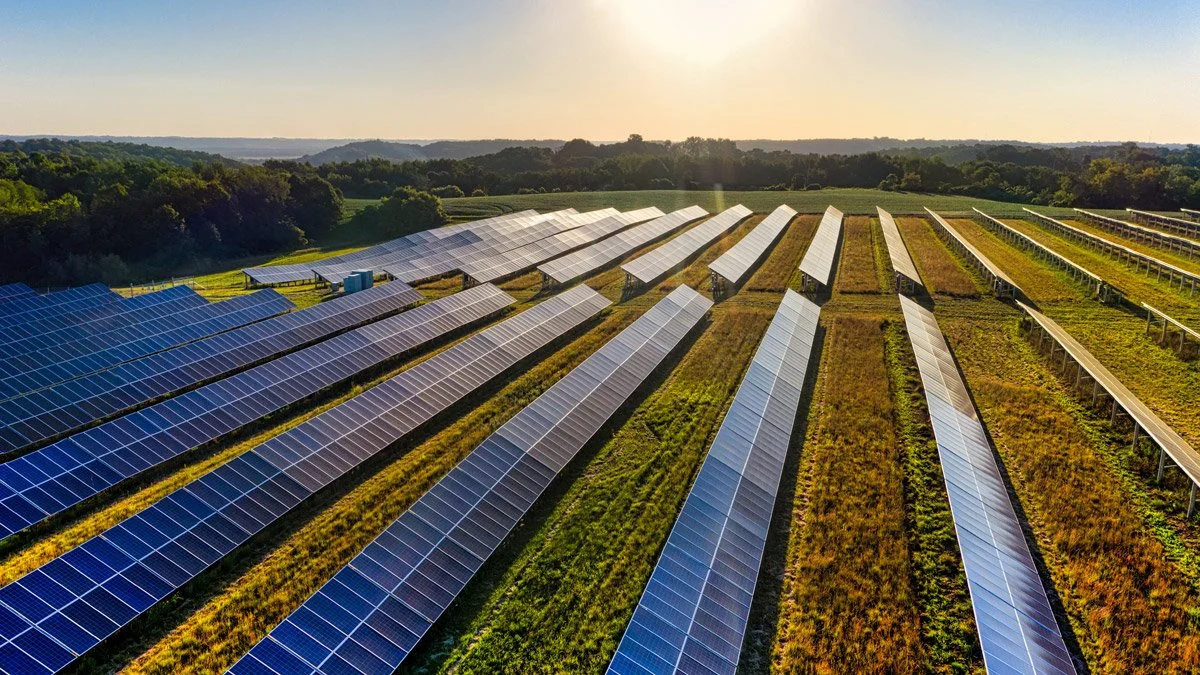
Climate action is a compelling solution to the global inflation challenge, highlighting the critical link between climate change and rising prices worldwide, emphasizing the need for a transition to renewable energy.

Brazil's election outcome will shape its response to intensified extreme weather events and economic losses of $64 billion between 2013 and 2022.

Climate change's impacts on inflation and essential goods are evident as the collapse of upland cotton crops in Texas drives price spikes for products like tampons, cloth diapers, and gauze pads in the US, making climate change a "secret driver of inflation" with potential global repercussions.

Amidst relentless rains and deadly floods, Pakistan faces a severe food security crisis, with vast farmlands submerged, crops destroyed, and livelihoods devastated.

Climate change intensifies hurricanes and flooding in Florida, leading to soaring property insurance rates, high reinsurance costs for local insurers, increased reliance on state-backed coverage, the need for separate flood protection policies, and rising car insurance costs due to weather-related accidents.

Amidst a surge in extreme weather events driven by La Nina and amplified by climate change, the world faces a $1 trillion weather disaster problem, straining the global economy and exacerbating inflationary pressures.

Amidst Russia's invasion of Ukraine, the EU faces climate-driven challenges, including winter droughts and rising food prices, impacting agricultural sectors and exacerbating inflation.

CEOs foresee climate change intensifying high prices in 2023; PwC survey reveals growing concern among 4,400 global leaders.

Experts, CEOs, and economists recognize the link between climate change and inflation as extreme weather events disrupt supplies, leading to surging prices in consumer items worldwide.

Climate-driven floods in Pakistan lead to a staggering 44.58% increase in consumer item prices, exacerbating inflation, and causing widespread supply disruptions. The floods claim lives, submerge areas, and leave millions affected, underscoring the connection between extreme weather and climate change impacts.

Chief Heat Officers tackle climate's unequal impact: Rising temperatures, heat-related deaths, and 'heat islands' in lower-income neighborhoods hit hardest.

April 2023's Humid Heatwaves in South Asia: Alarming Economic Consequences and Urgent Adaptation Demands.

Economic and social consequences of the Horn of Africa drought and potential adaptation strategies are urgently needed amidst widespread food insecurity and climate change impacts.

Climate Change: A Growing Economic Shock - Inflation, Supply Chain Disruptions & Increased Costs Worldwide

Climate change drives higher coffee prices and reduced yields as rising temperatures disrupt coffee production, leading to potential market impacts and land loss for cultivation by 2050.

ECB research reveals global warming's impact on inflation, projecting a 1% annual surge and 3% food price increase by 2035.
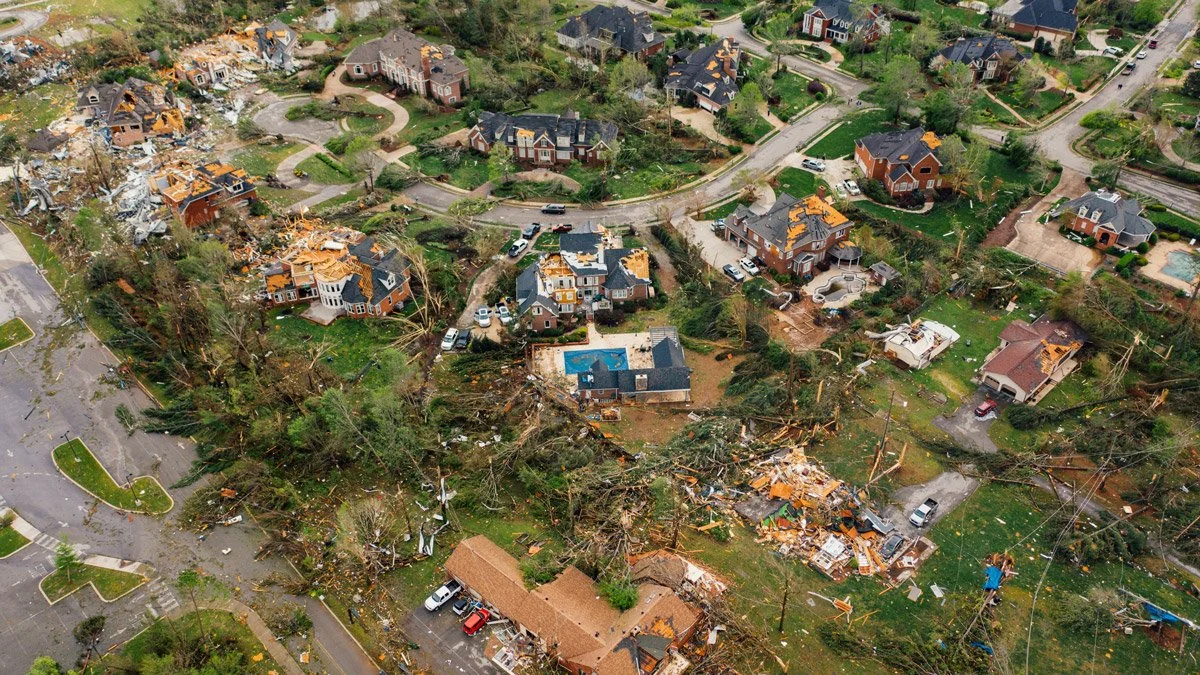
Climate change drives structural damage, raising home insurance premiums for 90% of homeowners, particularly in disaster-prone areas.

Winter storms, mass flooding, and wildfires disrupt supply chains, raising prices across industries.

Skyrocketing home insurance costs due to climate change pose challenges for homeowners, as premiums soar and coverage options dwindle, leaving many uncertain about protecting their homes in the face of future disasters.