
New Report
Climate Inflation

There’s no longer any doubt climate change has arrived and is already straining global markets. READ MORE
RECENT NEWS



Newly arrived El Niño threatens to push costs higher across food, building materials, and other sectors, compounding supply disruptions already underway. (Paywall)
Climate change is converting one-off weather shocks into recurring events that devastate harvests and drive grocery prices higher, compounding inflation from geopolitical disruptions. (Paywall)

El Niño conditions expected to disrupt coffee, cocoa, palm oil, rice, sugar, and produce, pushing commodity prices higher and increasing food manufacturer input costs.

Mid-June severe storms caused total losses in some Nebraska fields and drowned-out acres in Illinois, with agronomists reporting hail wiping out early-planting yield premiums for soybeans.

USDA weather highlights show extreme heat, Plains drought, and Gulf Coast flooding all simultaneously stressing crops — raising irrigation costs, crop insurance claims, and commodity market uncertainty.

Schroders analysis warns a strong El Niño compounding fertilizer shortages and drought could historically imply a doubling of global food prices — with wheat and sugar seen as most exposed.

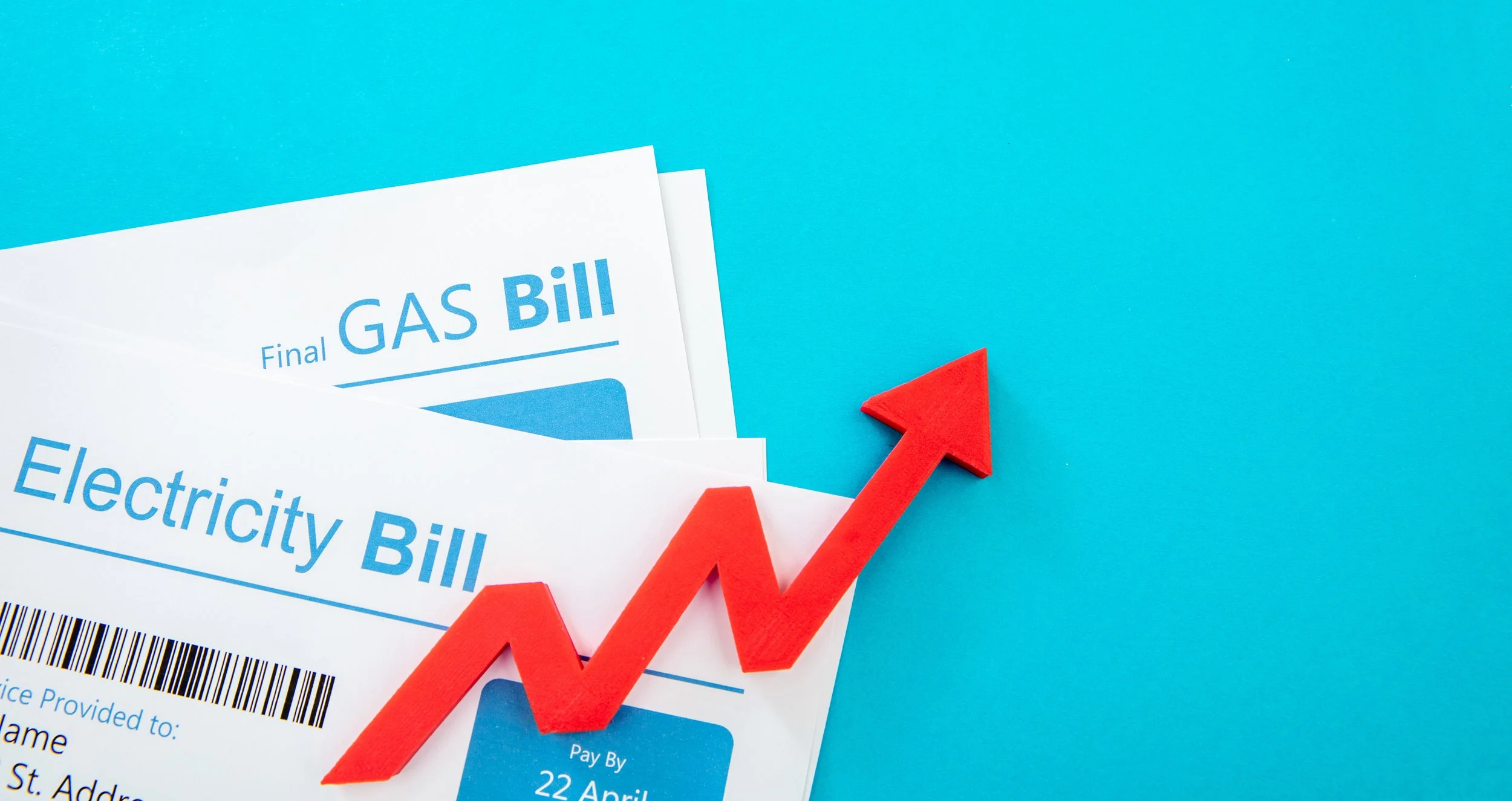
NEADA projects Americans will spend an average of $800 on electricity June–September 2026, up 10.5% from last year, as extreme heat drives higher cooling demand on top of rising rates.

Extreme heat is pushing summer electricity bills 5–14% higher across U.S. regions; NEADA projects residential utility debt will hit $23 billion by year-end, with 1 in 6 households already behind on bills.

Climate-driven migration is already depressing property values and tax bases in high-risk communities while inflating housing costs in perceived climate-safe destinations, per economists and urban planners.

Audio feature connecting extreme weather events — specifically the 2022 European heatwave — to lasting food price increases, with analysis on how climate disruptions ripple through supply chains.
USDA Agricultural Weather Highlights shows concurrent drought, flooding, and frost across key U.S. regions in May, raising crop insurance claims, threatening wheat yields, and pressuring commodity prices.

EXTREME WEATHER AND INFLATION

April 2023's Humid Heatwaves in South Asia: Alarming Economic Consequences and Urgent Adaptation Demands.

Most of us understand that climate change is making everyday life more expensive — from rising grocery bills and soaring insurance premiums to higher utility costs and disaster recovery expenses. But it can be hard to connect those realities to the policy decisions that drive them.
Scott Medintz explores a recent analysis commissioned by Consumer Reports and supported by Breakthrough Energy. Conducted by ICF, the study forecasts significant financial burdens for individuals born in 2024 if climate change mitigation efforts are not substantially strengthened.
Scott Medintz explores a recent analysis commissioned by Consumer Reports and supported by Breakthrough Energy. Conducted by ICF, the study forecasts significant financial burdens for individuals born in 2024 if climate change mitigation efforts are not substantially strengthened.



Travis Hodges in ClaimsJournal highlights $92.9B in U.S. weather-related damages, urging a reevaluation of insurance risk and the role of brokers in providing tailored coverage.


A recent report sheds light on the increasing financial burden extreme weather places on the federal government and taxpayers. Crop insurance payouts, exceeding $118 billion between 2001 and 2022, reveal the staggering costs incurred due to droughts, heatwaves, and floods.

Brazil's election outcome will shape its response to intensified extreme weather events and economic losses of $64 billion between 2013 and 2022.

CattleFax analysis finds 75% of the U.S. beef cow herd is currently in drought conditions — vs. a 20% long-term average — with ranchers unable to rebuild herds, keeping beef prices in a historically elevated range through at least 2027.


Study: Rising temperatures may boost food inflation by 3.2% and overall inflation by 1.18% yearly by 2035.

A warming climate and fast-spreading diseases threaten supplies and push up prices, a top banana industry expert warns.

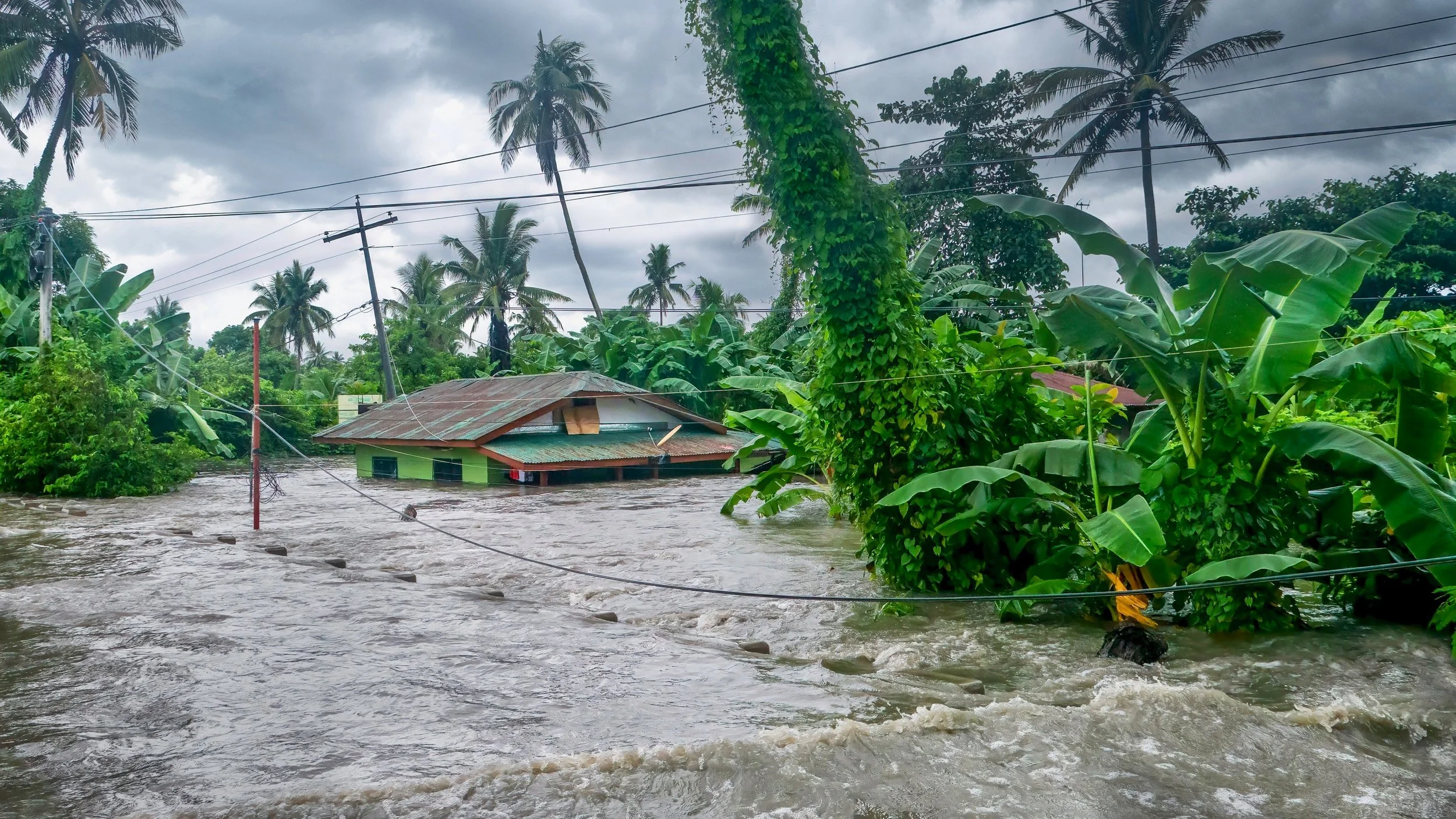
Amidst relentless rains and deadly floods, Pakistan faces a severe food security crisis, with vast farmlands submerged, crops destroyed, and livelihoods devastated.

Fortune reports 61% of the continental U.S. is under drought conditions and USDA's March forecast raised food price inflation for 2026 to 3.6%, with drought threatening to push livestock feed prices higher through the year.
Scott Medintz explores a recent analysis commissioned by Consumer Reports and supported by Breakthrough Energy. Conducted by ICF, the study forecasts significant financial burdens for individuals born in 2024 if climate change mitigation efforts are not substantially strengthened.


Climate change's impacts on inflation and essential goods are evident as the collapse of upland cotton crops in Texas drives price spikes for products like tampons, cloth diapers, and gauze pads in the US, making climate change a "secret driver of inflation" with potential global repercussions.

Average annual property insurance premiums in Florida surged to over $4,200 in 2022, three times the national average. For many homeowners these premiums are becoming unmanageable, forcing them to consider relocating.

The average cost of homeowners' insurance has surged to $1,900 a year nationwide, driven by climate risk, prompting insurers to reassess pricing models and leading to a 12 percent increase in premiums in 2022, with further rises anticipated.

Skyrocketing home insurance costs due to climate change pose challenges for homeowners, as premiums soar and coverage options dwindle, leaving many uncertain about protecting their homes in the face of future disasters.

The impacts of climate change are becoming increasingly evident in the cotton industry, contributing to rising inflation

A recent report by the Environmental Working Group reveals the staggering costs of extreme weather on crop insurance payouts, surpassing $118 billion nationally between 2001 and 2022. Iowa, alongside the Midwest, faced severe drought, emphasizing climate change's growing impact on agriculture.

Severe heatwaves and drought in Argentina and Paraguay cause worst harvests in seven years, leading to economic losses, impacting global food prices, and raising concerns about long-term agricultural sustainability.

Brazilian consumers may face high food inflation as meatpackers struggle with increased costs due to a drought affecting livestock feed crops

Dramatic floods in eastern Australia threaten crops, driving up food prices amidst inflation. La Nina's persistence compounds crop losses, demanding collaborative action to mitigate impacts on consumers and the economy.





CEOs face tech disruption and climate transition. PwC's survey shows 45% doubt long-term viability and stress innovating with climate-friendly products.

This summer, extreme weather events have taken a toll on some of North America's most renowned attractions.
Newly arrived El Niño threatens to push costs higher across food, building materials, and other sectors, compounding supply disruptions already underway. (Paywall)

<a href=/climate-inflation-resources/climate-crisis-is-at-the-gates-of-europe>Climate Crisis is at the gates of Europe</a>
