
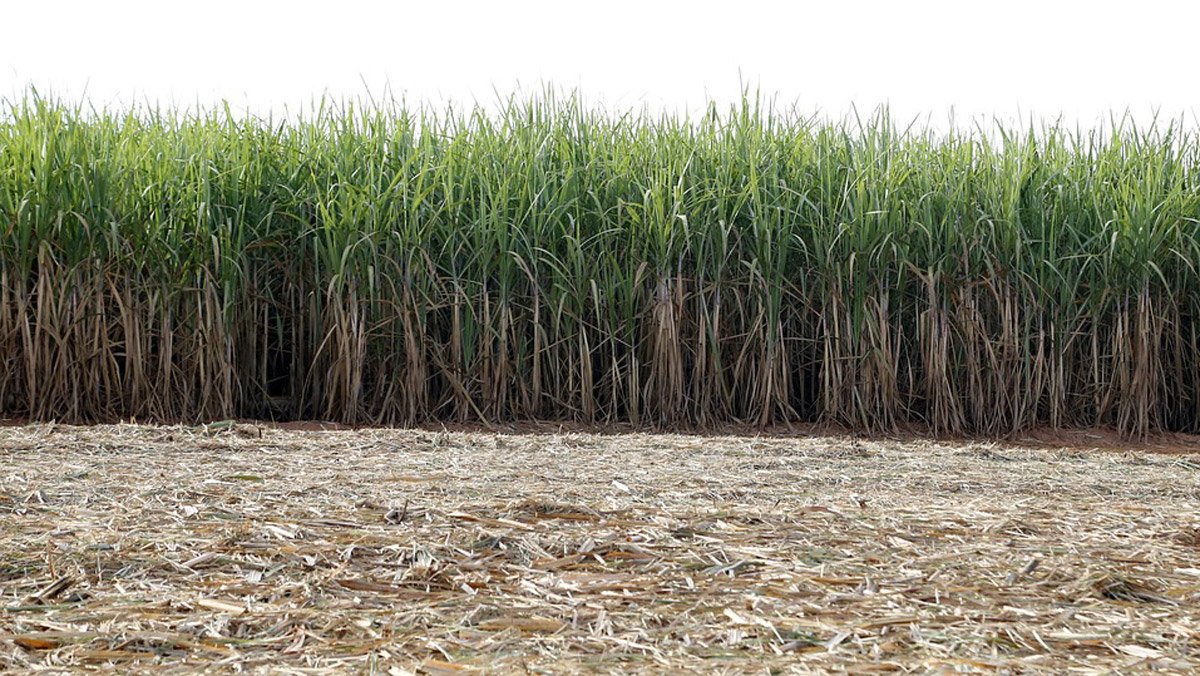
Brazil's election outcome will shape its response to intensified extreme weather events and economic losses of $64 billion between 2013 and 2022.
Image by João Lima
Brazil is grappling with intensified extreme weather events, and its environment and economy bear the brunt of devastating consequences. Severe climate-related disasters, including torrential rains, droughts, and wildfires, have wreaked havoc on communities and ecosystems, resulting in immense economic losses totaling $64 billion between 2013 and 2022.
As Brazilians head to the polls, they are faced with two platforms: one offering stronger climate disaster risk prevention and management, and the other with vague commitments. The outcome of the election holds the potential to drive crucial political change, determining how Brazil confronts the mounting challenges of extreme weather and safeguards its environment and economy. At this critical juncture, the nation must make a choice that will shape its response to the escalating impacts of climate change and pave the way for a more resilient and sustainable future.
SOURCE: Read the full article by Marina Martinez, translated by Maya Johnson in Mongabay


Most of us understand that climate change is making everyday life more expensive — from rising grocery bills and soaring insurance premiums to higher utility costs and disaster recovery expenses. But it can be hard to connect those realities to the policy decisions that drive them.
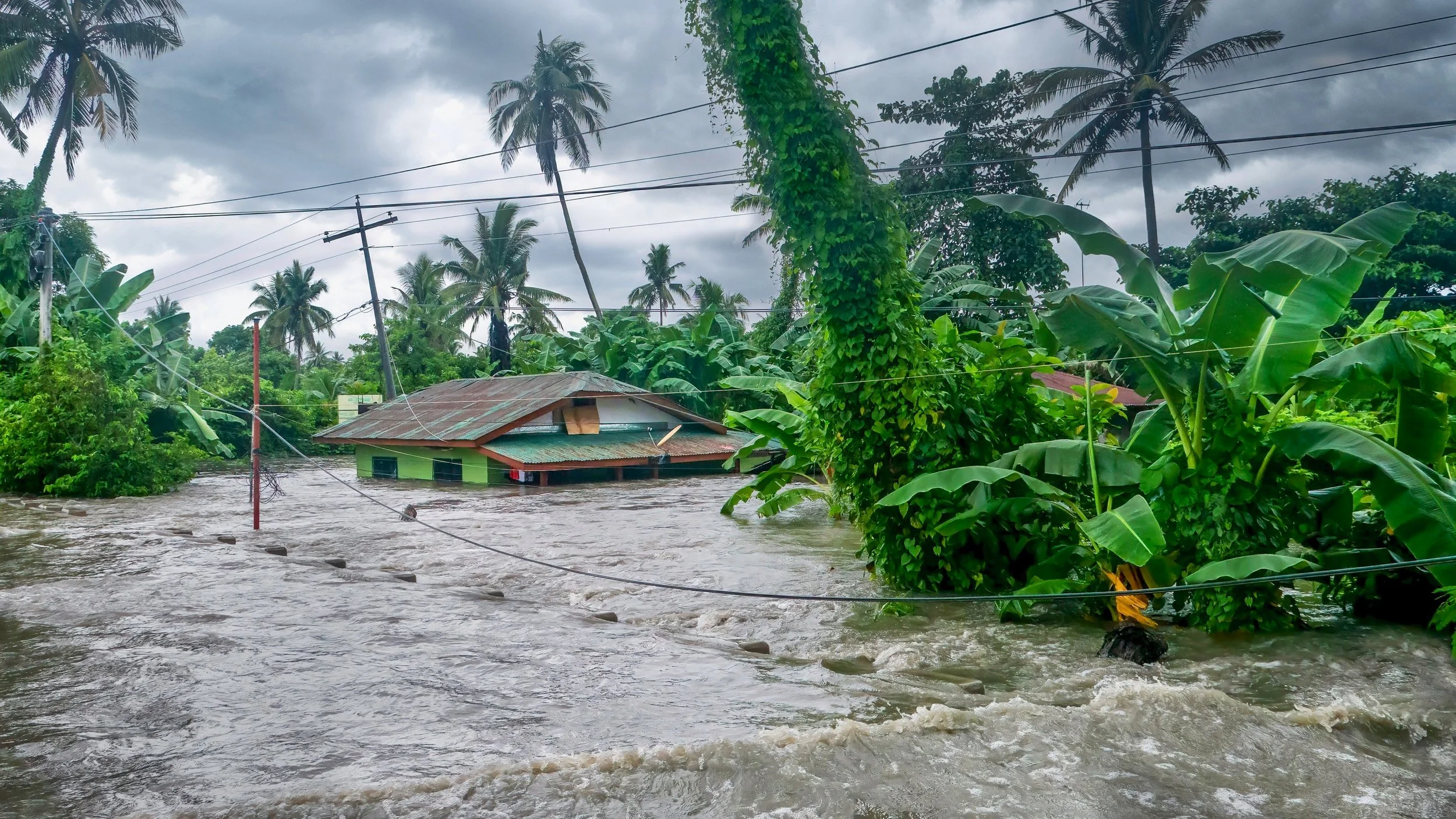
Scott Medintz explores a recent analysis commissioned by Consumer Reports and supported by Breakthrough Energy. Conducted by ICF, the study forecasts significant financial burdens for individuals born in 2024 if climate change mitigation efforts are not substantially strengthened.

Scott Medintz explores a recent analysis commissioned by Consumer Reports and supported by Breakthrough Energy. Conducted by ICF, the study forecasts significant financial burdens for individuals born in 2024 if climate change mitigation efforts are not substantially strengthened.



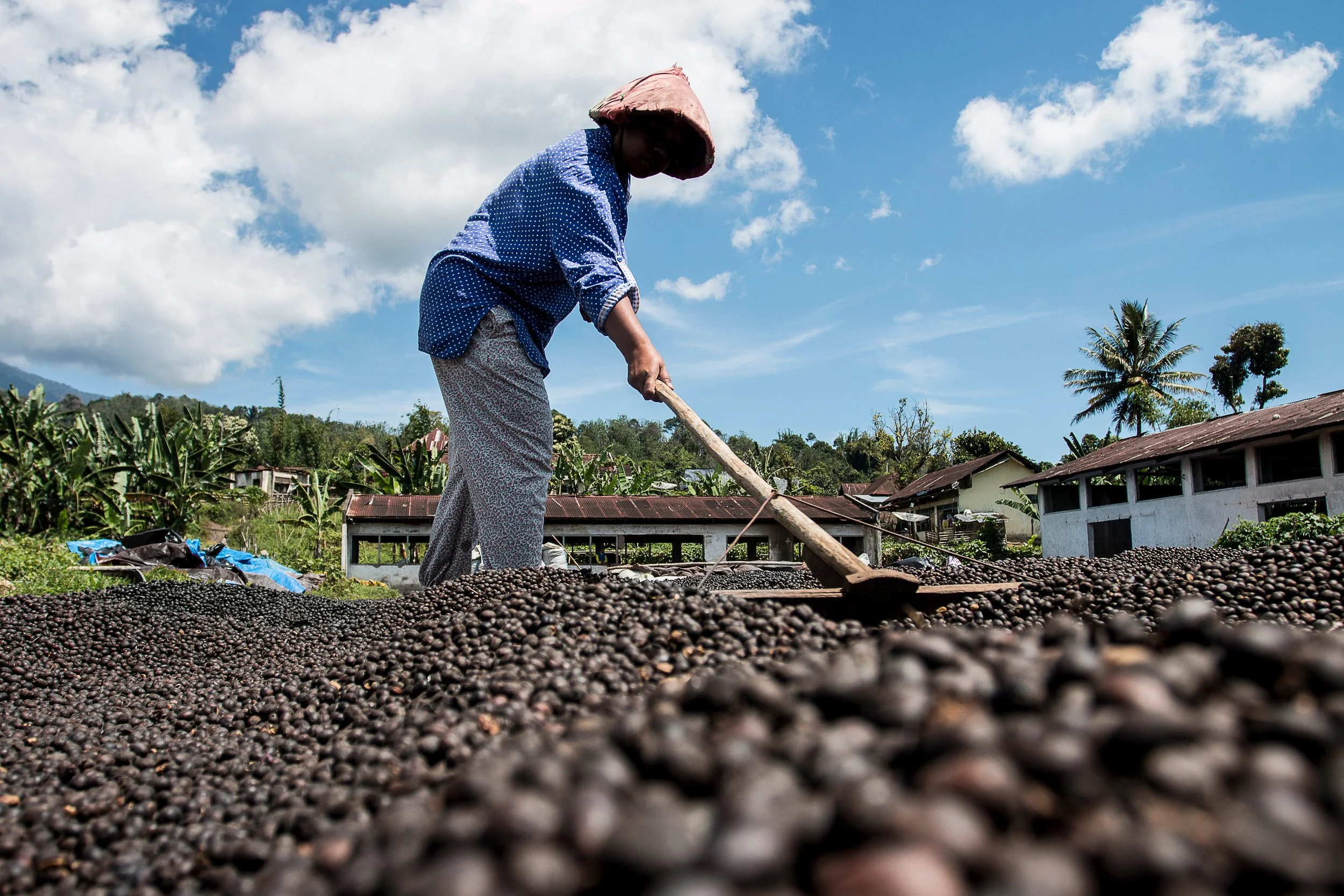



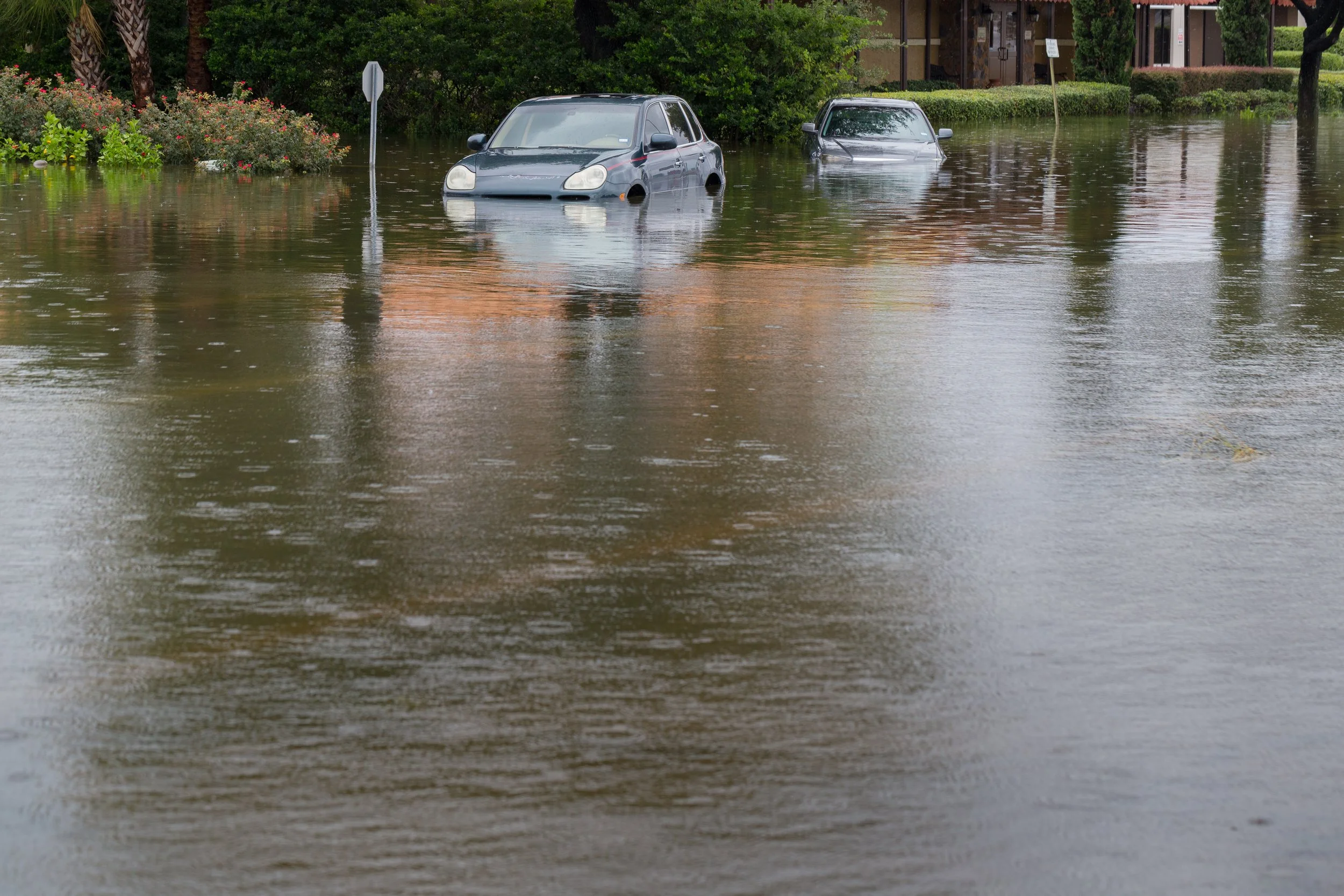


A UCLA study reveals that January's wildfires in Los Angeles County could cost up to $164 billion, making it the second-most expensive natural disaster in U.S. history. The article explores the devastating economic toll, including loss of life, destroyed homes, and long-term impacts on California's economy.


Scott Medintz explores a recent analysis commissioned by Consumer Reports and supported by Breakthrough Energy. Conducted by ICF, the study forecasts significant financial burdens for individuals born in 2024 if climate change mitigation efforts are not substantially strengthened.

CEOs face tech disruption and climate transition. PwC's survey shows 45% doubt long-term viability and stress innovating with climate-friendly products.

The Biden administration's FEMA reforms, effective March 22, 2024, streamline disaster relief with a $750 payment for shelter and new "displacement assistance," enhancing response to climate events.

Smallholder farmers globally invest $368 billion annually for climate adaptation, averaging $838 per household. Despite this, only 0.3% of international climate finance reached them in 2021. Carbon markets and increased international support are essential for enhancing resilience and innovation in smallholder farming.

Cocoa prices hit a record $5,874 a ton due to dry weather in West Africa, worsened by El Niño. This impacts makers like Hershey and Mondelez, leading to price hikes for consumers.
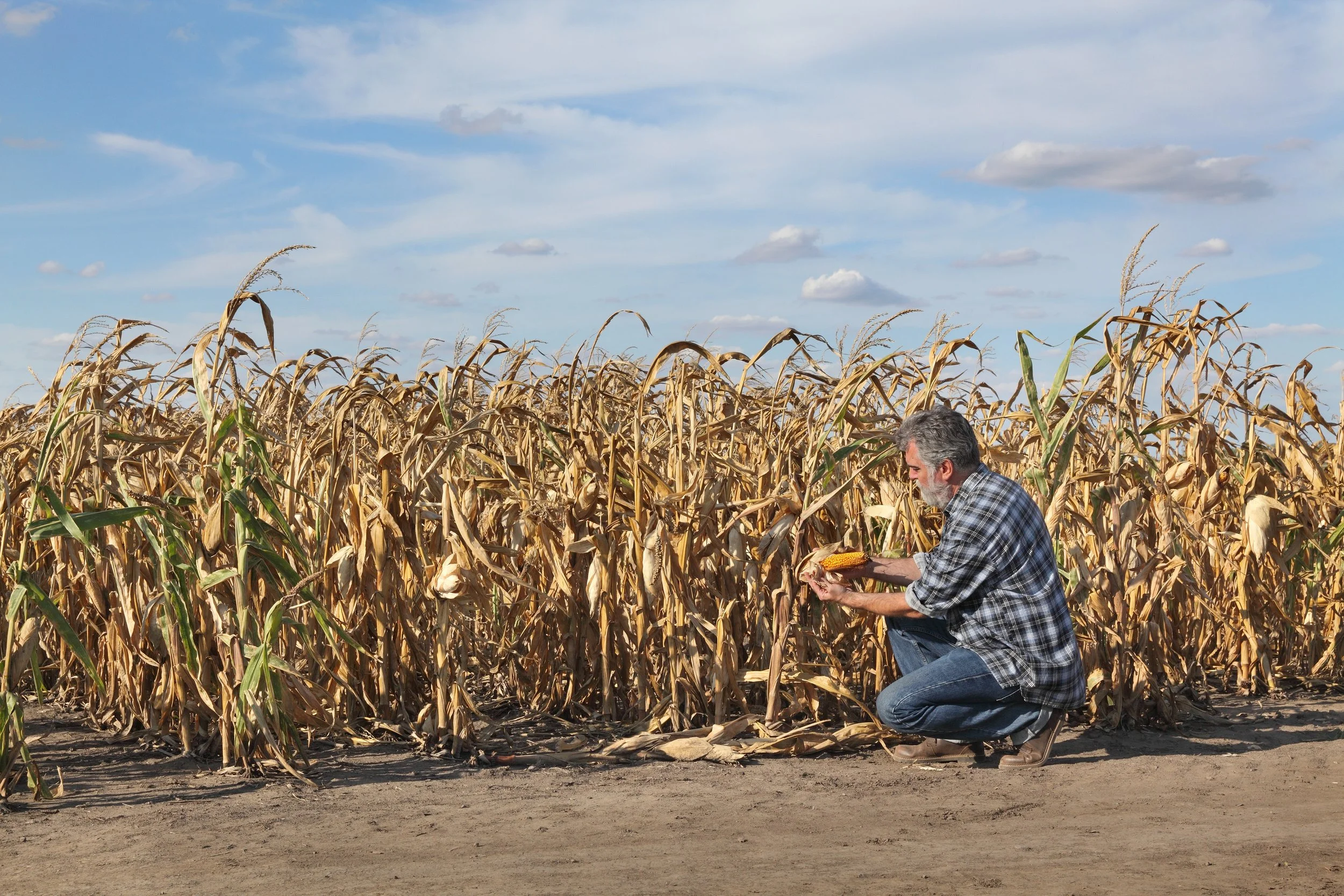

Travis Hodges in ClaimsJournal highlights $92.9B in U.S. weather-related damages, urging a reevaluation of insurance risk and the role of brokers in providing tailored coverage.

Extreme weather and rising energy costs have raised UK household food bills by £605since 2021, driven by a 60% surge in food costs. El Niño threatens 2024, worsening the crisis.

Andre Mayer's CBC News piece shows climate change's impact on crops and supply chains. From cocoa in West Africa to olive oil in the Mediterranean, urgent measures are needed for resilience.



This summer, extreme weather events have taken a toll on some of North America's most renowned attractions.
