
CLIMATE CHANGE AND INFLATION




RISING COSTS


CLIMATE AND COST OF LIVING CRISIS
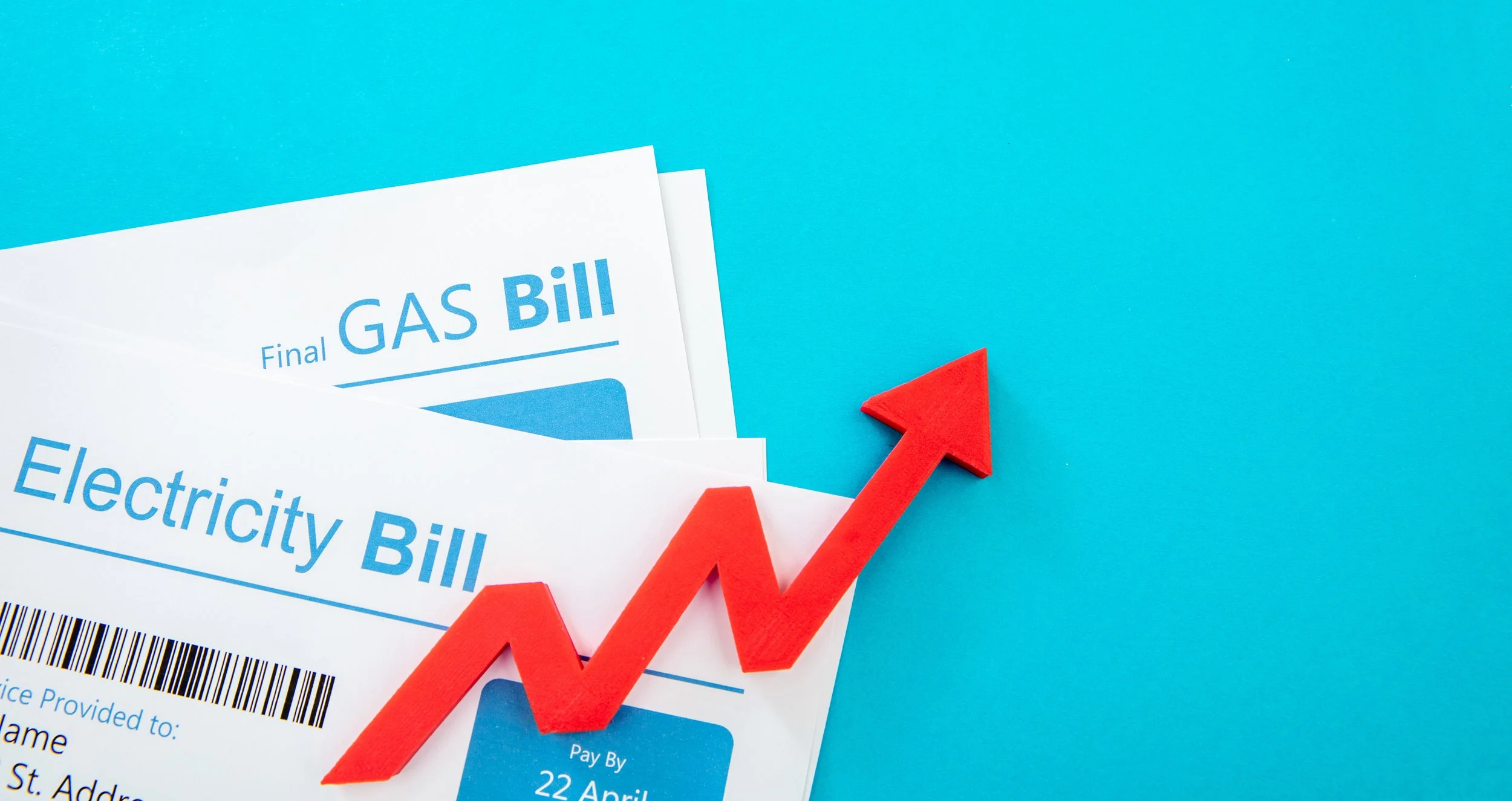
Scott Medintz explores a recent analysis commissioned by Consumer Reports and supported by Breakthrough Energy. Conducted by ICF, the study forecasts significant financial burdens for individuals born in 2024 if climate change mitigation efforts are not substantially strengthened.


INFLATED COST OF LIVING

Newly arrived El Niño threatens to push costs higher across food, building materials, and other sectors, compounding supply disruptions already underway. (Paywall)
Climate change is converting one-off weather shocks into recurring events that devastate harvests and drive grocery prices higher, compounding inflation from geopolitical disruptions. (Paywall)

Audio feature connecting extreme weather events — specifically the 2022 European heatwave — to lasting food price increases, with analysis on how climate disruptions ripple through supply chains.



Extreme weather is ravaging arabica harvests in Brazil, the world’s largest coffee producer, turning a cup of joe into something of a luxury item.
CHANGING U.S PRICES

<a href=/climate-inflation-resources/us-inflation-how-much-have-prices-increased>Have you experienced a jump in your ‘cost of living’ ? Find out what you’re paying more for now than 12 months ago. </a>
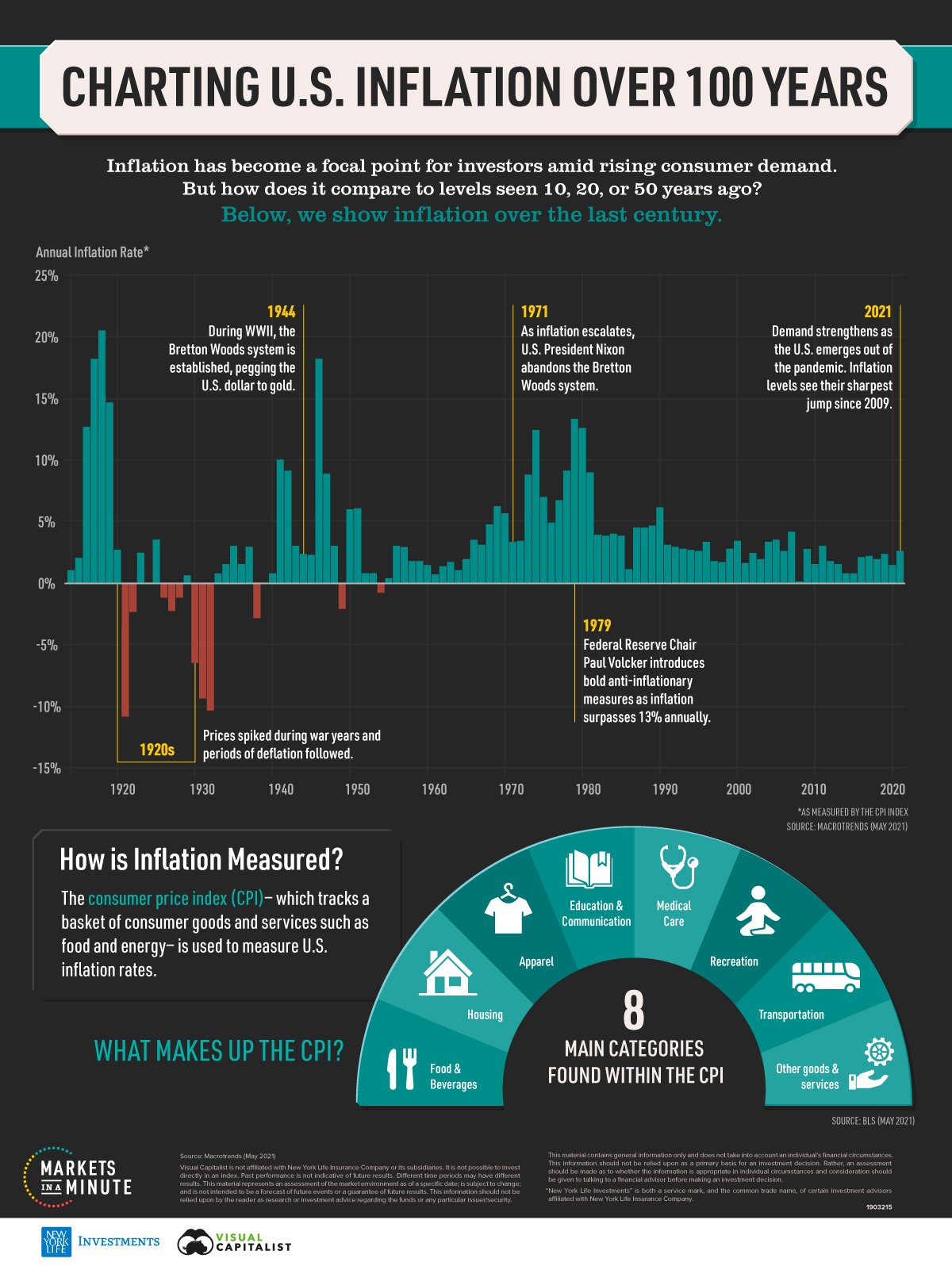
<a href=/climate-inflation-resources/howusinflationhaschangedover100years>The CPI tracks price changes for the same basket of goods and services, enabling us to understand how much the items we commonly purchase have become more expensive. This infographic illustrates US inflation over the past 100 years.</a>
ECONOMIC IMPACT

Most of us understand that climate change is making everyday life more expensive — from rising grocery bills and soaring insurance premiums to higher utility costs and disaster recovery expenses. But it can be hard to connect those realities to the policy decisions that drive them.

Scott Medintz explores a recent analysis commissioned by Consumer Reports and supported by Breakthrough Energy. Conducted by ICF, the study forecasts significant financial burdens for individuals born in 2024 if climate change mitigation efforts are not substantially strengthened.