
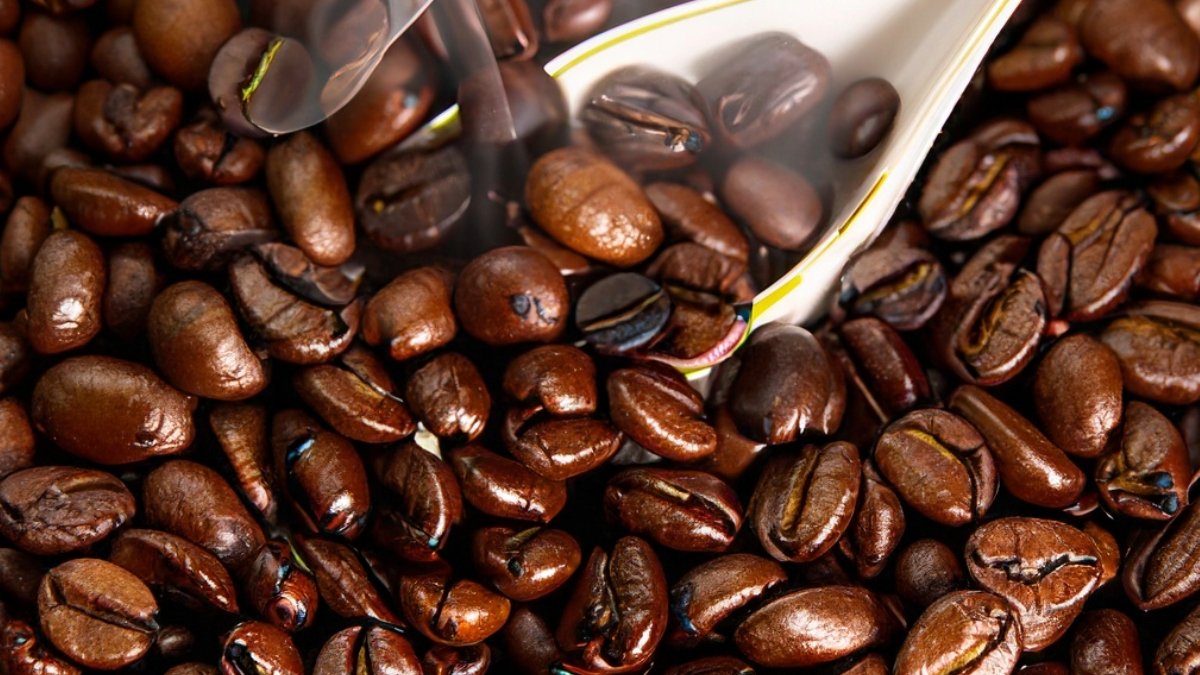
Ugandan Coffee Growers Find Beans Resilient to Climate Change
As global warming jeopardizes the future of popular coffee varieties like Arabica and robusta, Ugandan coffee growers are turning to a lesser-known but resilient option: Liberica Excelsa. Thriving in the face of heat, drought, and disease intensified by climate change, this native variety is emerging as a potential savior for coffee farmers worldwide. Long overlooked and often mixed into low-priced robusta, Liberica Excelsa is now being recognized for its distinct flavor and exceptional ability to withstand the challenges posed by a warming world. Its smooth taste, lower caffeine content compared to Robusta, and resilience to extreme conditions make it a potential lifeline for smallholder coffee farmers seeking to sustain their livelihoods amidst the uncertainties of a warming planet.
In a world grappling with climate change, the rise of Liberica Excelsa offers a glimmer of hope, emphasizing the importance of exploring and preserving diverse coffee species. By embracing this climate-resilient coffee variety, coffee growers can not only adapt to the changing environmental landscape but also protect the global coffee industry for generations to come. As efforts to grow premium Liberica Excelsa for global export gain momentum, the coffee community is recognizing the significance of diverse coffee varieties in securing the future of the beloved beverage. Liberica Excelsa's ability to thrive in the face of adverse climatic conditions positions it as a potential game-changer, providing coffee growers with a viable option to navigate the challenges of a warming world while continuing to offer coffee enthusiasts an aromatic and flavorful experience.


Most of us understand that climate change is making everyday life more expensive — from rising grocery bills and soaring insurance premiums to higher utility costs and disaster recovery expenses. But it can be hard to connect those realities to the policy decisions that drive them.
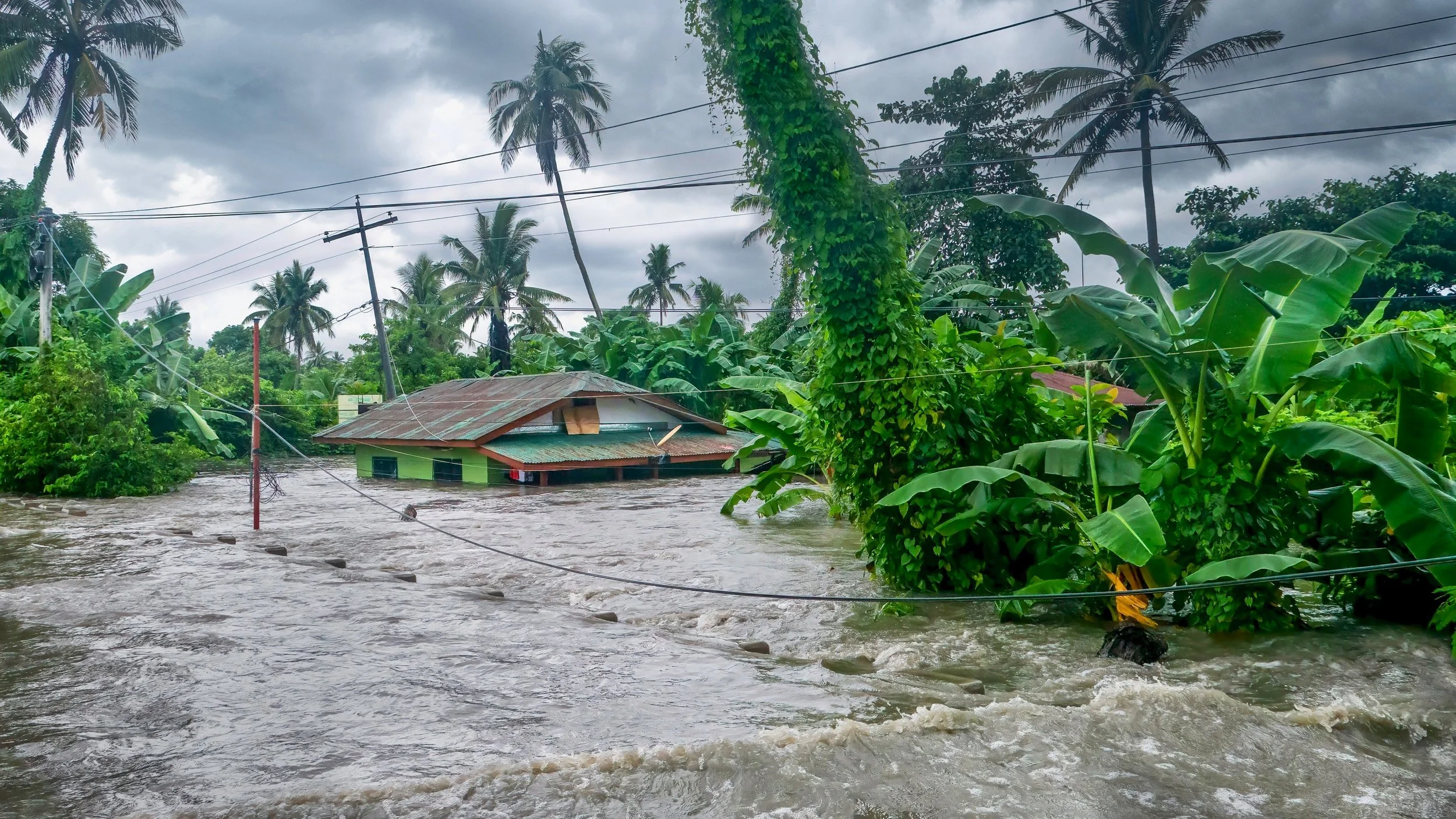
Scott Medintz explores a recent analysis commissioned by Consumer Reports and supported by Breakthrough Energy. Conducted by ICF, the study forecasts significant financial burdens for individuals born in 2024 if climate change mitigation efforts are not substantially strengthened.
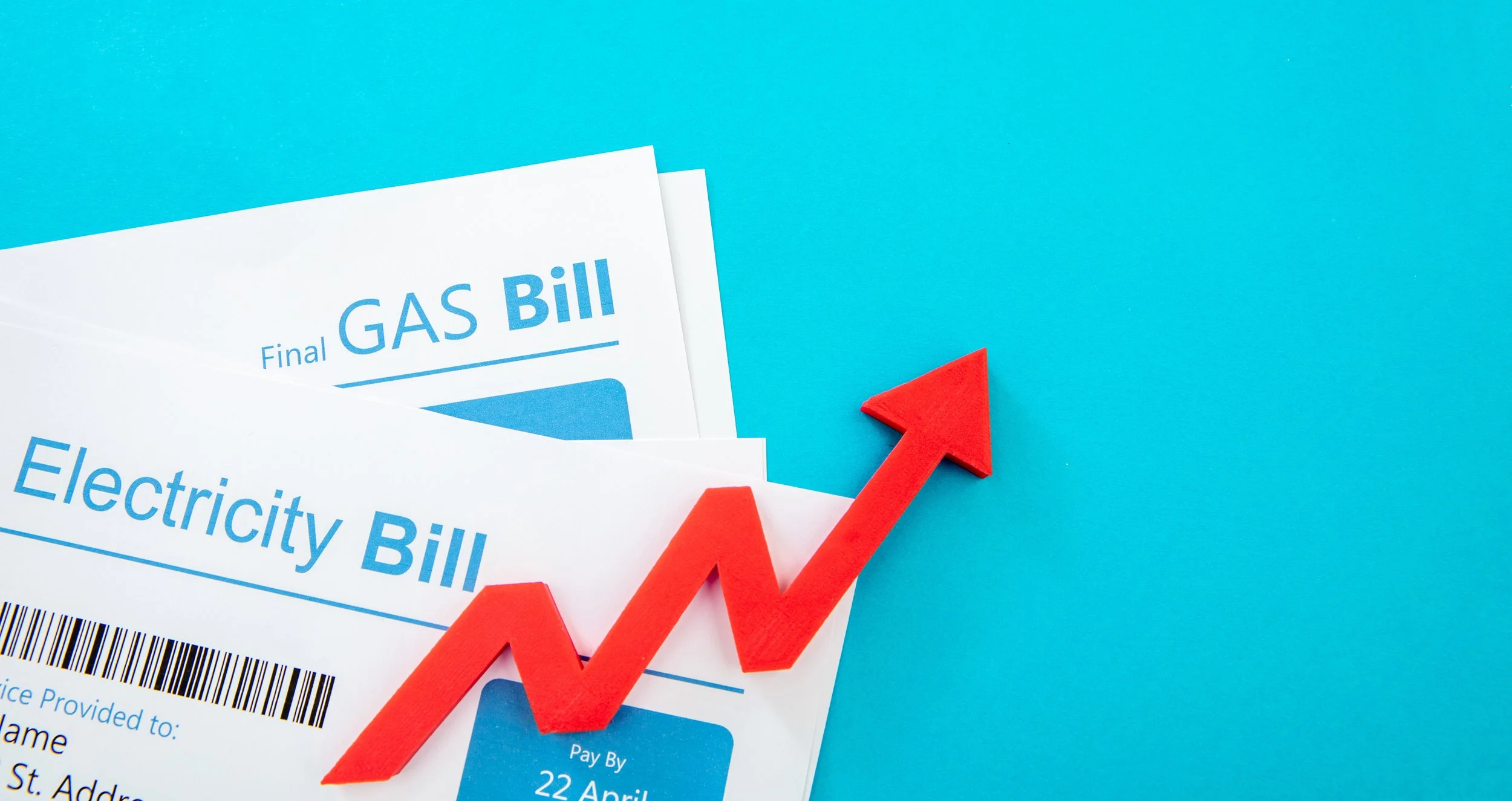
Scott Medintz explores a recent analysis commissioned by Consumer Reports and supported by Breakthrough Energy. Conducted by ICF, the study forecasts significant financial burdens for individuals born in 2024 if climate change mitigation efforts are not substantially strengthened.



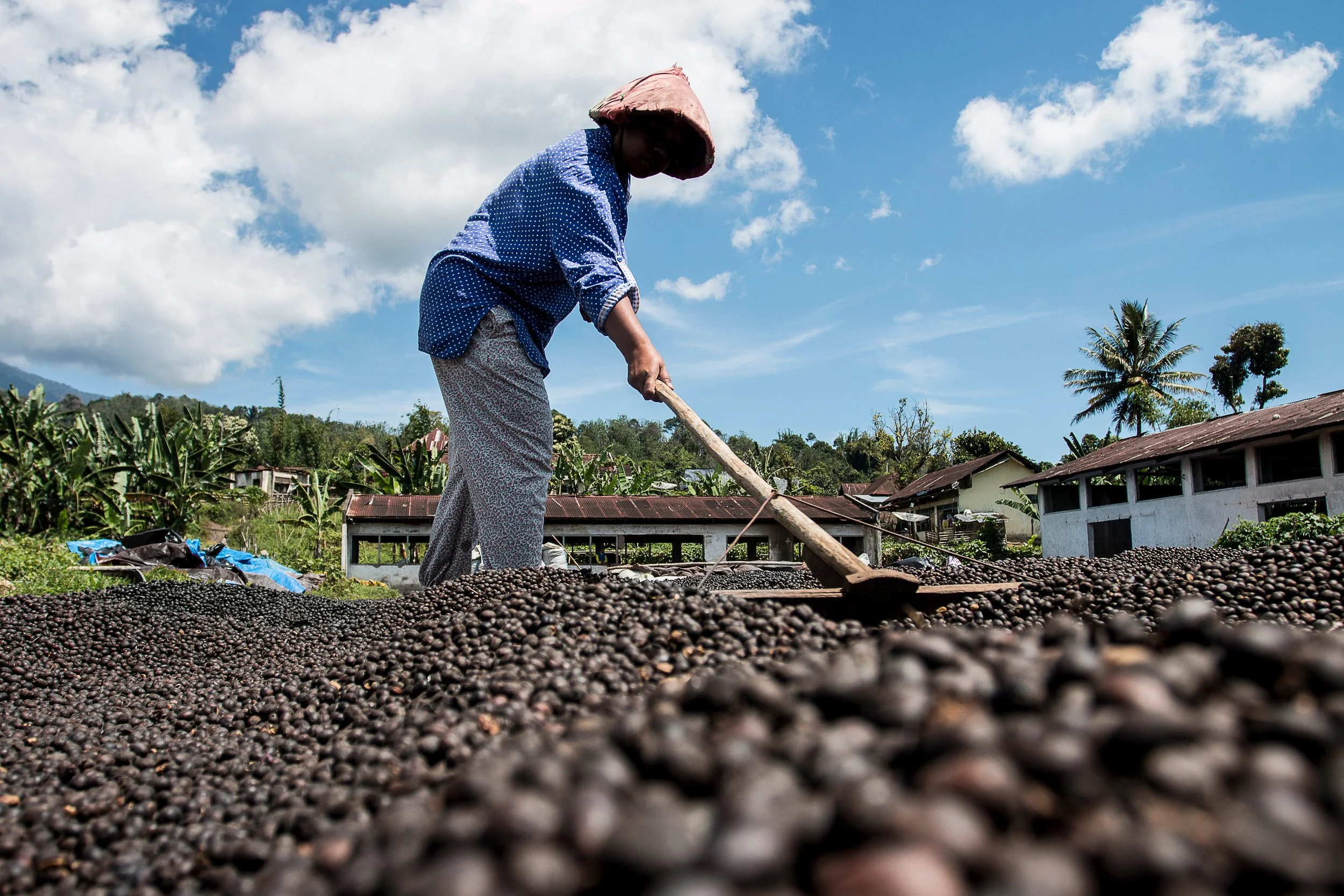



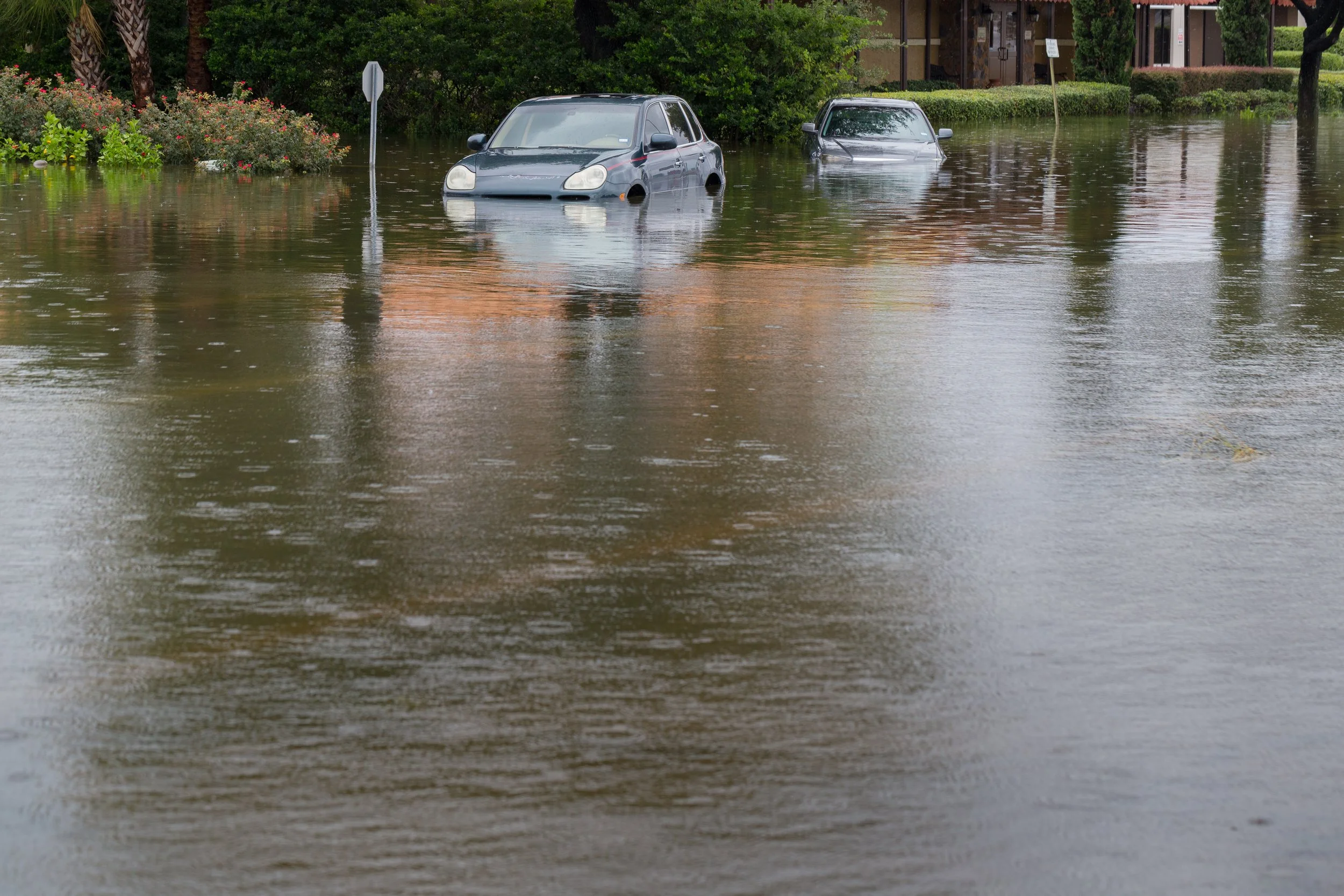


A UCLA study reveals that January's wildfires in Los Angeles County could cost up to $164 billion, making it the second-most expensive natural disaster in U.S. history. The article explores the devastating economic toll, including loss of life, destroyed homes, and long-term impacts on California's economy.


Scott Medintz explores a recent analysis commissioned by Consumer Reports and supported by Breakthrough Energy. Conducted by ICF, the study forecasts significant financial burdens for individuals born in 2024 if climate change mitigation efforts are not substantially strengthened.

CEOs face tech disruption and climate transition. PwC's survey shows 45% doubt long-term viability and stress innovating with climate-friendly products.

The Biden administration's FEMA reforms, effective March 22, 2024, streamline disaster relief with a $750 payment for shelter and new "displacement assistance," enhancing response to climate events.

Smallholder farmers globally invest $368 billion annually for climate adaptation, averaging $838 per household. Despite this, only 0.3% of international climate finance reached them in 2021. Carbon markets and increased international support are essential for enhancing resilience and innovation in smallholder farming.

Cocoa prices hit a record $5,874 a ton due to dry weather in West Africa, worsened by El Niño. This impacts makers like Hershey and Mondelez, leading to price hikes for consumers.
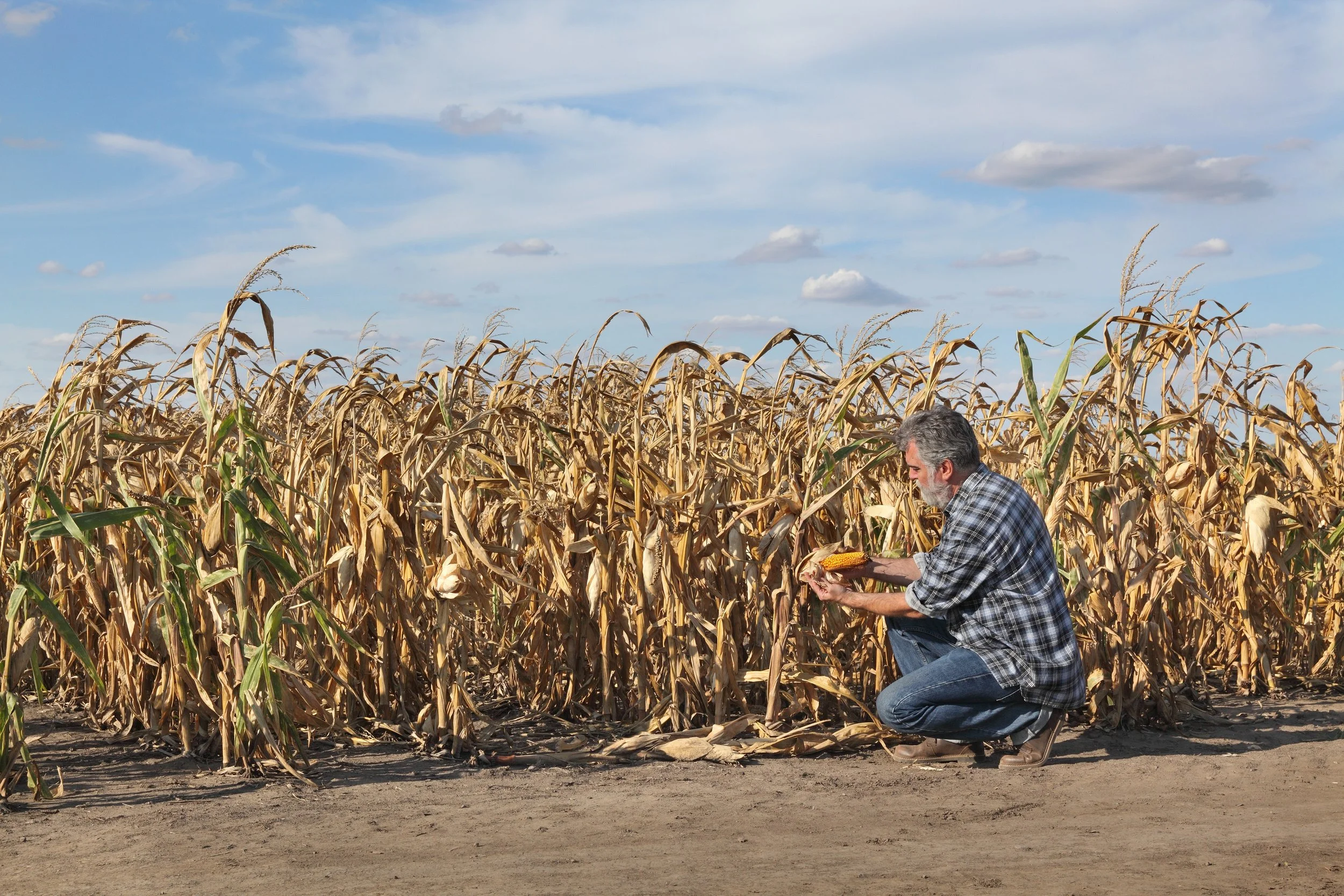

Travis Hodges in ClaimsJournal highlights $92.9B in U.S. weather-related damages, urging a reevaluation of insurance risk and the role of brokers in providing tailored coverage.

Extreme weather and rising energy costs have raised UK household food bills by £605since 2021, driven by a 60% surge in food costs. El Niño threatens 2024, worsening the crisis.

Andre Mayer's CBC News piece shows climate change's impact on crops and supply chains. From cocoa in West Africa to olive oil in the Mediterranean, urgent measures are needed for resilience.



This summer, extreme weather events have taken a toll on some of North America's most renowned attractions.
