
Billion-Dollar Natural Disasters Across the USA 2023
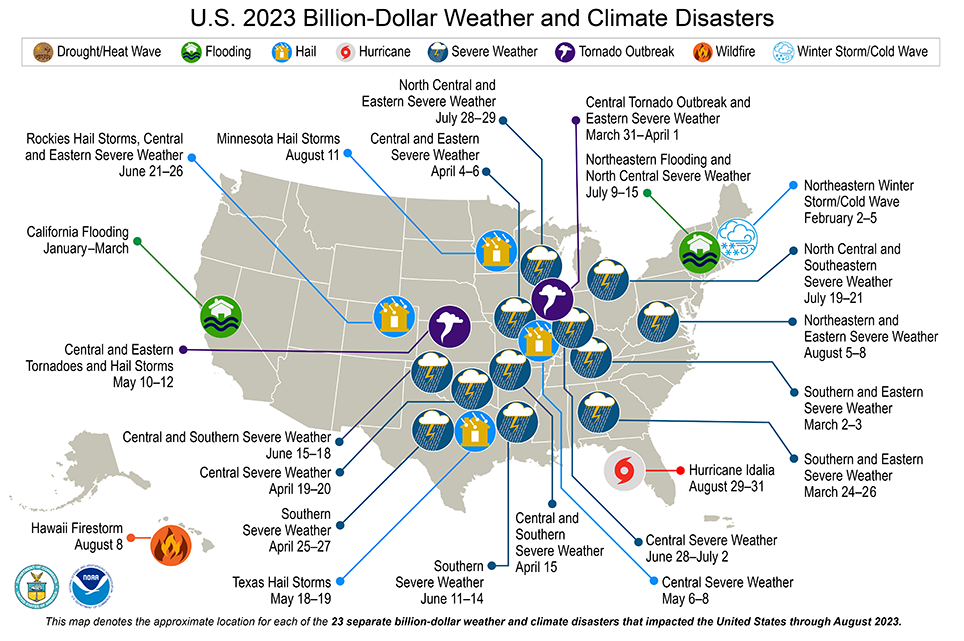
Source: NOAA
In 2023, from Jan 1, to September 11, the United States has already witnessed 23 weather and climate disaster events, each causing losses exceeding $1 billion. These events encompassed 2 instances of flooding, 18 severe storms, 1 tropical cyclone, 1 wildfire, and 1 winter storm. Unfortunately, these events resulted in the loss of 253 lives and had substantial economic ramifications for the affected regions. This starkly contrasts with the 1980-2022 annual average of 8.1 such events (adjusted for inflation) and the annual average of 18.0 events (adjusted for inflation) for the most recent 5 years spanning from 2018 to 2022.
SOURCE: National Centers for Environmental Information (NOAA)

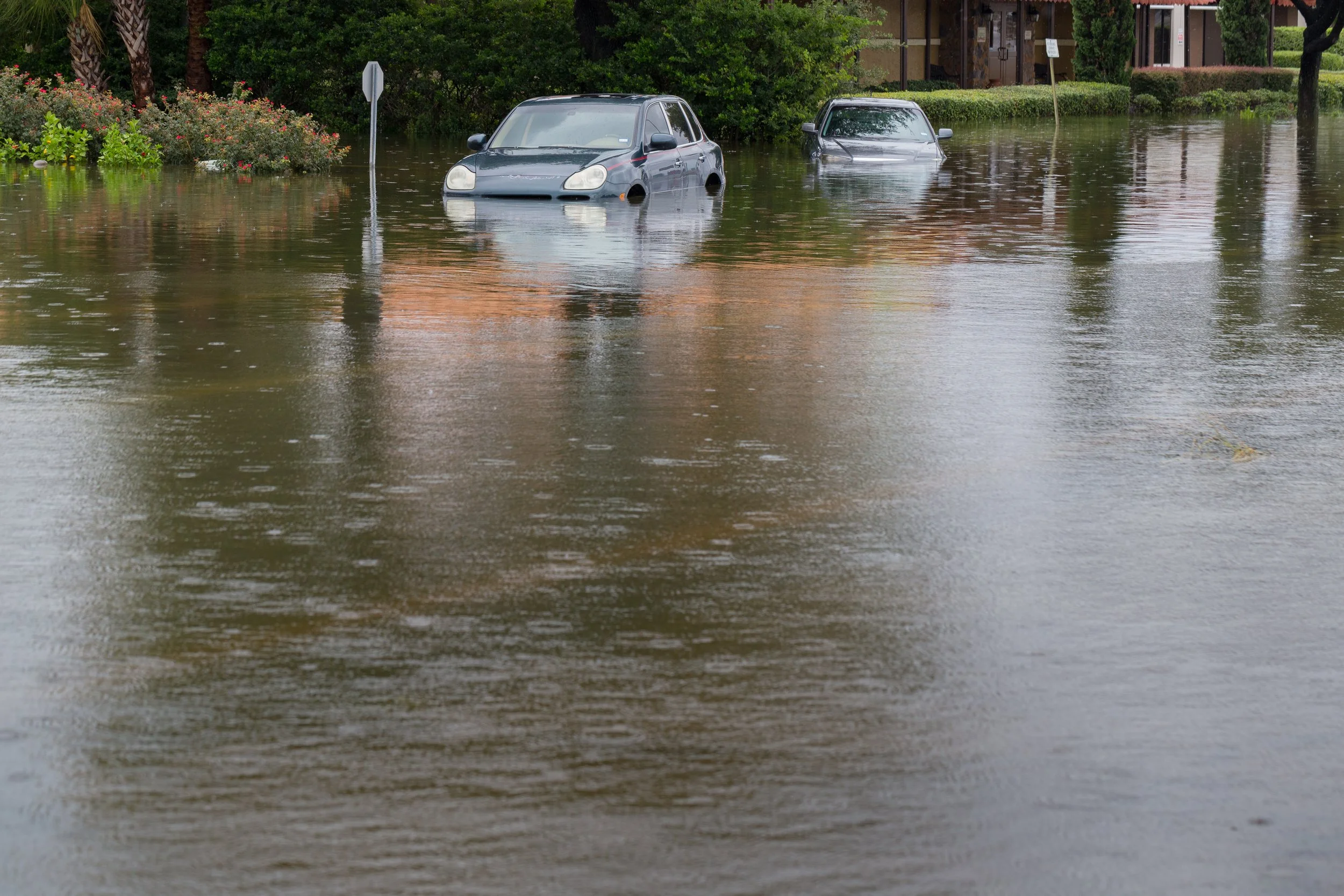

Amidst relentless rains and deadly floods, Pakistan faces a severe food security crisis, with vast farmlands submerged, crops destroyed, and livelihoods devastated.

Climate change intensifies hurricanes and flooding in Florida, leading to soaring property insurance rates, high reinsurance costs for local insurers, increased reliance on state-backed coverage, the need for separate flood protection policies, and rising car insurance costs due to weather-related accidents.

Amidst a surge in extreme weather events driven by La Nina and amplified by climate change, the world faces a $1 trillion weather disaster problem, straining the global economy and exacerbating inflationary pressures.

April 2023's Humid Heatwaves in South Asia: Alarming Economic Consequences and Urgent Adaptation Demands.

Economic and social consequences of the Horn of Africa drought and potential adaptation strategies are urgently needed amidst widespread food insecurity and climate change impacts.

Climate Change: A Growing Economic Shock - Inflation, Supply Chain Disruptions & Increased Costs Worldwide

ECB research reveals global warming's impact on inflation, projecting a 1% annual surge and 3% food price increase by 2035.
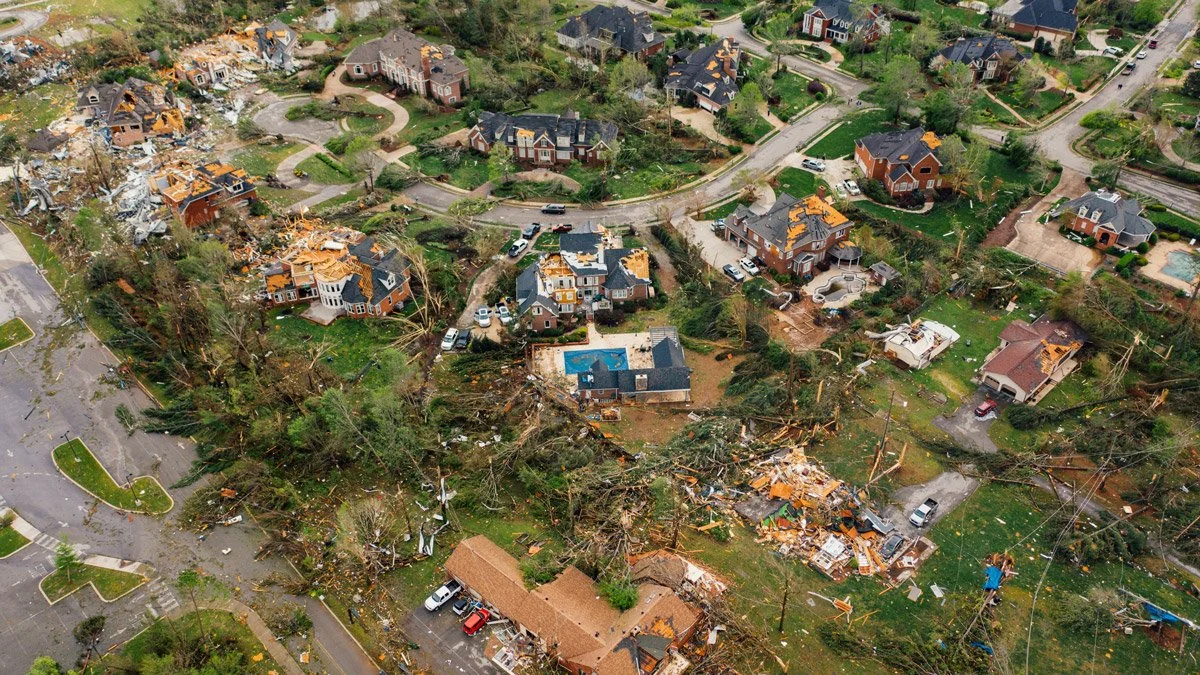
Climate change drives structural damage, raising home insurance premiums for 90% of homeowners, particularly in disaster-prone areas.

Eastern Australia faces "life-threatening" floods from consecutive La Niña events, raising concerns about economic growth and inflation.

Climate change poses dual challenges for the global economy—balancing the costs of achieving net-zero emissions while managing potential inflationary pressures