
USA ‘Eggflation’ Crisis

Source: Statista
Over the past year, Americans have witnessed skyrocketing prices for various everyday items, from groceries to fuel. However, there's one particular commodity that has been cracking budgets lately - eggs. The average cost of a dozen Grade A large eggs reached a whopping $4.25 last month, compared to just $1.79 twelve months earlier, according to the U.S. Bureau of Labor Statistics. Inflation isn't solely to blame for this "eggflation" crisis; a severe bird flu outbreak in 2022 significantly disrupted egg supplies, resulting in a mid-single-digit percentage decline in production. With eggs being a challenging item to substitute, even small supply drops have had a big impact on prices. This article delves into the factors behind the soaring egg prices and examines how some producers have reaped record profits despite the avian flu outbreak, sparking discussions about potential windfall profits taxes.
SOURCE: Statista


Extreme weather and rising energy costs have raised UK household food bills by £605since 2021, driven by a 60% surge in food costs. El Niño threatens 2024, worsening the crisis.

Andre Mayer's CBC News piece shows climate change's impact on crops and supply chains. From cocoa in West Africa to olive oil in the Mediterranean, urgent measures are needed for resilience.


Study: Rising temperatures may boost food inflation by 3.2% and overall inflation by 1.18% yearly by 2035.

The average cost of homeowners' insurance has surged to $1,900 a year nationwide, driven by climate risk, prompting insurers to reassess pricing models and leading to a 12 percent increase in premiums in 2022, with further rises anticipated.
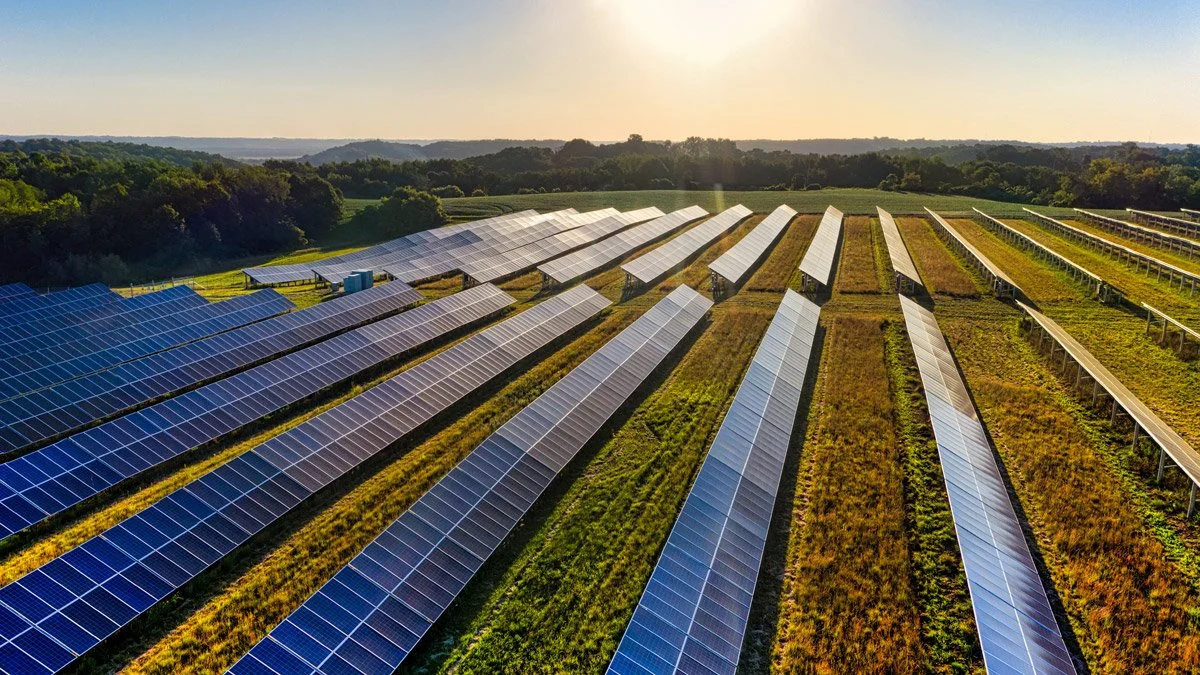
Climate action is a compelling solution to the global inflation challenge, highlighting the critical link between climate change and rising prices worldwide, emphasizing the need for a transition to renewable energy.

Brazil's election outcome will shape its response to intensified extreme weather events and economic losses of $64 billion between 2013 and 2022.

Climate change's impacts on inflation and essential goods are evident as the collapse of upland cotton crops in Texas drives price spikes for products like tampons, cloth diapers, and gauze pads in the US, making climate change a "secret driver of inflation" with potential global repercussions.

Climate change intensifies hurricanes and flooding in Florida, leading to soaring property insurance rates, high reinsurance costs for local insurers, increased reliance on state-backed coverage, the need for separate flood protection policies, and rising car insurance costs due to weather-related accidents.

Experts, CEOs, and economists recognize the link between climate change and inflation as extreme weather events disrupt supplies, leading to surging prices in consumer items worldwide.

Climate-driven floods in Pakistan lead to a staggering 44.58% increase in consumer item prices, exacerbating inflation, and causing widespread supply disruptions. The floods claim lives, submerge areas, and leave millions affected, underscoring the connection between extreme weather and climate change impacts.

Chief Heat Officers tackle climate's unequal impact: Rising temperatures, heat-related deaths, and 'heat islands' in lower-income neighborhoods hit hardest.