
EPA Initiates Public Engagement for Climate Change Programs Under Inflation Reduction Act

EPA invites public input on climate initiatives for equity and impact
Image by Luis Quintero
The U.S. Environmental Protection Agency (EPA) has announced the launch of public engagement and input opportunities for various programs funded by President Biden's Inflation Reduction Act. These programs focus on addressing climate change, promoting clean energy, reducing emissions, and advancing environmental justice. By seeking public input, the EPA aims to develop effective and impactful initiatives that protect public health, combat the climate crisis, and promote equity. The engagement strategy includes avenues for public input, such as a Request for Information (RFI) soliciting expert input from advisory committees, conducting stakeholder listening sessions, and providing a dedicated webpage for program information. The RFI invites public comment on core design aspects of programs related to climate pollution reduction grants, transportation programs, methane emissions reduction, funding to address air pollution, implementation of the American Innovation and Manufacturing (AIM) Act, low emissions electricity program, and greenhouse gas (GHG) corporate reporting.
The EPA recognizes the importance of gathering input from diverse stakeholders to ensure the equitable distribution of resources and benefits from these programs. The Inflation Reduction Act represents a significant investment to combat the climate crisis, reduce GHG emissions, and promote environmental well-being. The EPA's commitment to public engagement and input underscores its dedication to inclusive decision-making and maximizing the positive impact of these historic resources across communities nationwide.


Most of us understand that climate change is making everyday life more expensive — from rising grocery bills and soaring insurance premiums to higher utility costs and disaster recovery expenses. But it can be hard to connect those realities to the policy decisions that drive them.


A UCLA study reveals that January's wildfires in Los Angeles County could cost up to $164 billion, making it the second-most expensive natural disaster in U.S. history. The article explores the devastating economic toll, including loss of life, destroyed homes, and long-term impacts on California's economy.


Scott Medintz explores a recent analysis commissioned by Consumer Reports and supported by Breakthrough Energy. Conducted by ICF, the study forecasts significant financial burdens for individuals born in 2024 if climate change mitigation efforts are not substantially strengthened.

CEOs face tech disruption and climate transition. PwC's survey shows 45% doubt long-term viability and stress innovating with climate-friendly products.

Smallholder farmers globally invest $368 billion annually for climate adaptation, averaging $838 per household. Despite this, only 0.3% of international climate finance reached them in 2021. Carbon markets and increased international support are essential for enhancing resilience and innovation in smallholder farming.

Travis Hodges in ClaimsJournal highlights $92.9B in U.S. weather-related damages, urging a reevaluation of insurance risk and the role of brokers in providing tailored coverage.



Study: Rising temperatures may boost food inflation by 3.2% and overall inflation by 1.18% yearly by 2035.

The average cost of homeowners' insurance has surged to $1,900 a year nationwide, driven by climate risk, prompting insurers to reassess pricing models and leading to a 12 percent increase in premiums in 2022, with further rises anticipated.

The Inflation Reduction Act, a major climate and tax law, empowers American consumers to save thousands of dollars while combating climate change through incentives for electrifying transportation and implementing energy-efficient home improvements.

Climate change drives up supply chain prices in Europe, impacting essential goods like food and energy.

CEOs foresee climate change intensifying high prices in 2023; PwC survey reveals growing concern among 4,400 global leaders.


ECB research reveals global warming's impact on inflation, projecting a 1% annual surge and 3% food price increase by 2035.
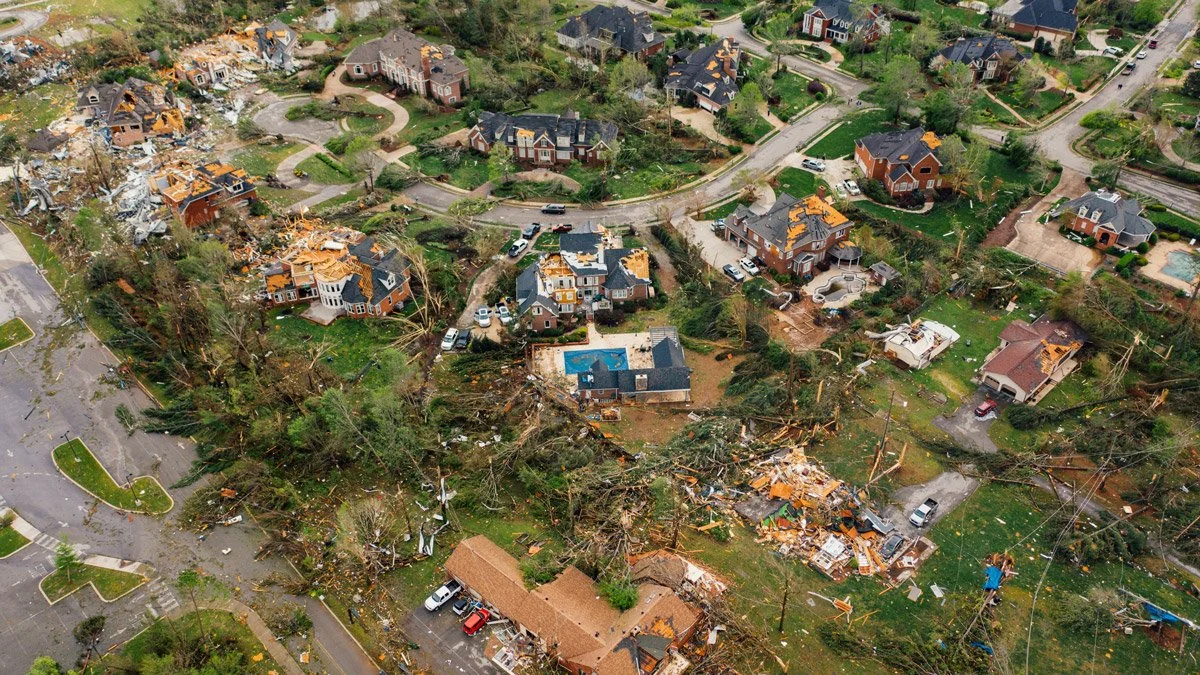
Climate change drives structural damage, raising home insurance premiums for 90% of homeowners, particularly in disaster-prone areas.
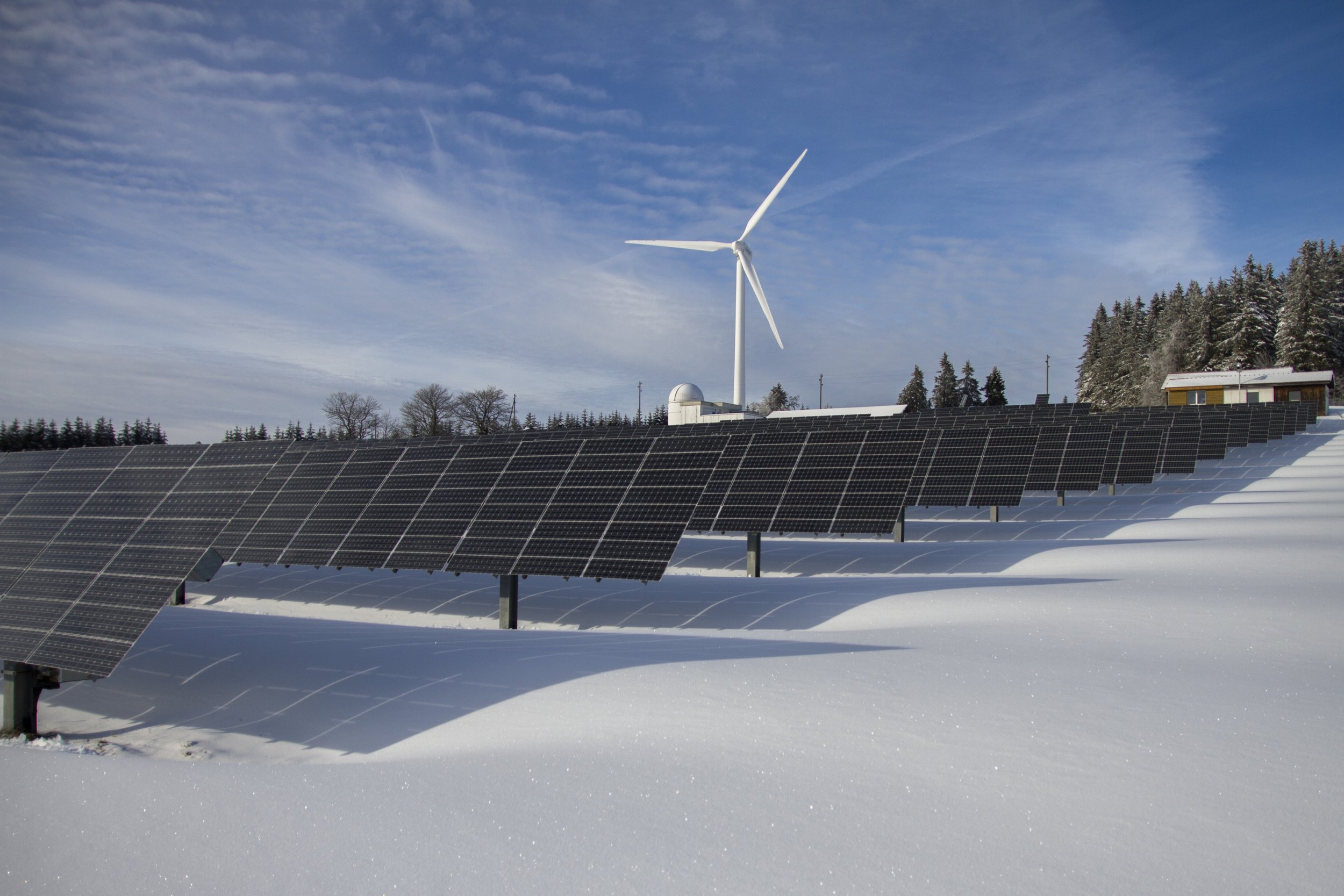
Investing in Climate Action: KraneShares Global Carbon Transformation ETF (KGHG) leading the charge to a low-carbon economy.

Skyrocketing home insurance costs due to climate change pose challenges for homeowners, as premiums soar and coverage options dwindle, leaving many uncertain about protecting their homes in the face of future disasters.

Discover Drawdown.org's transformative roadmap for practical climate solutions, empowering action for a regenerative world.

Climate change challenges livestock production in the Northeast, impacting sectors and consumer prices for staples like eggs, milk, and meat.

Climate change poses dual challenges for the global economy—balancing the costs of achieving net-zero emissions while managing potential inflationary pressures
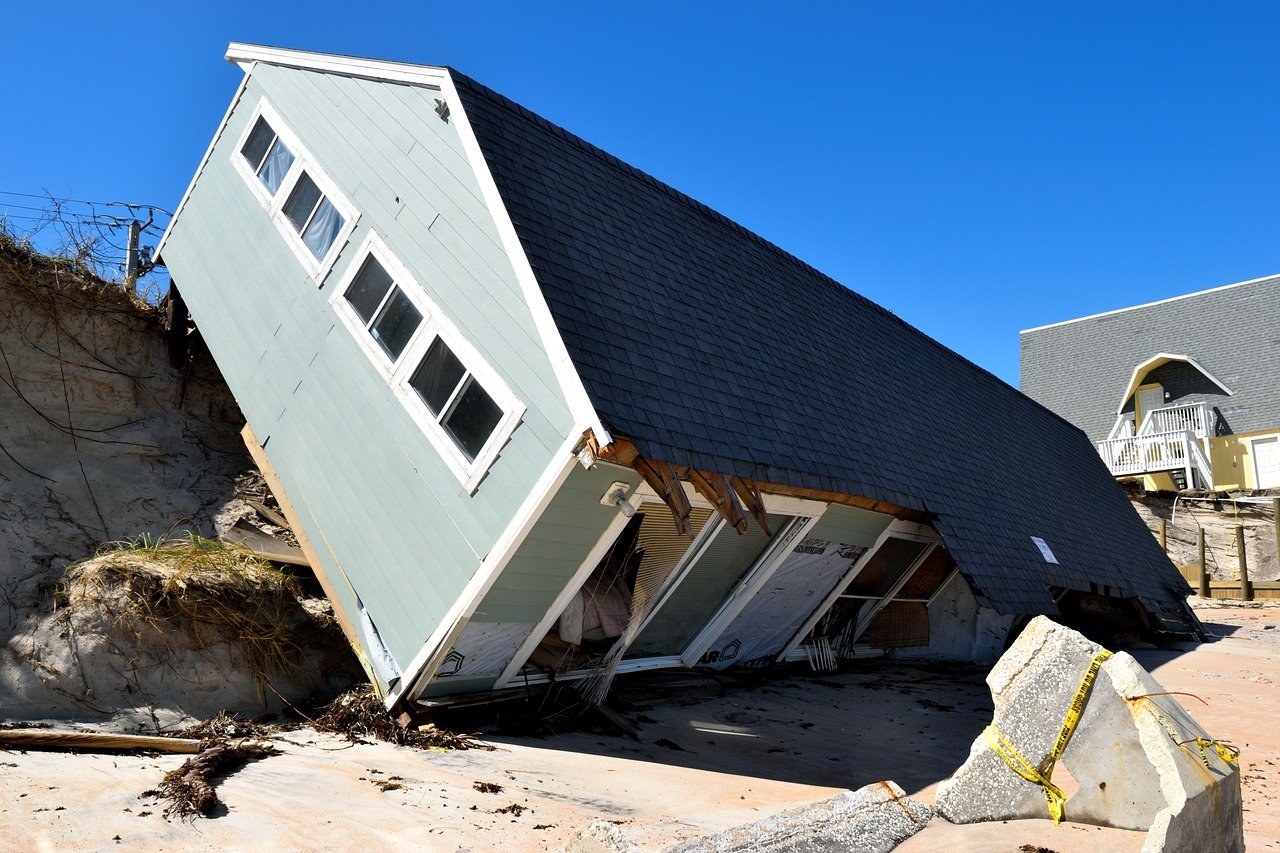
The World Weather Attribution (WWA) initiative, founded in 2015, quantifies the impact of climate change on extreme weather events using advanced attribution science.