
How Inflation Works
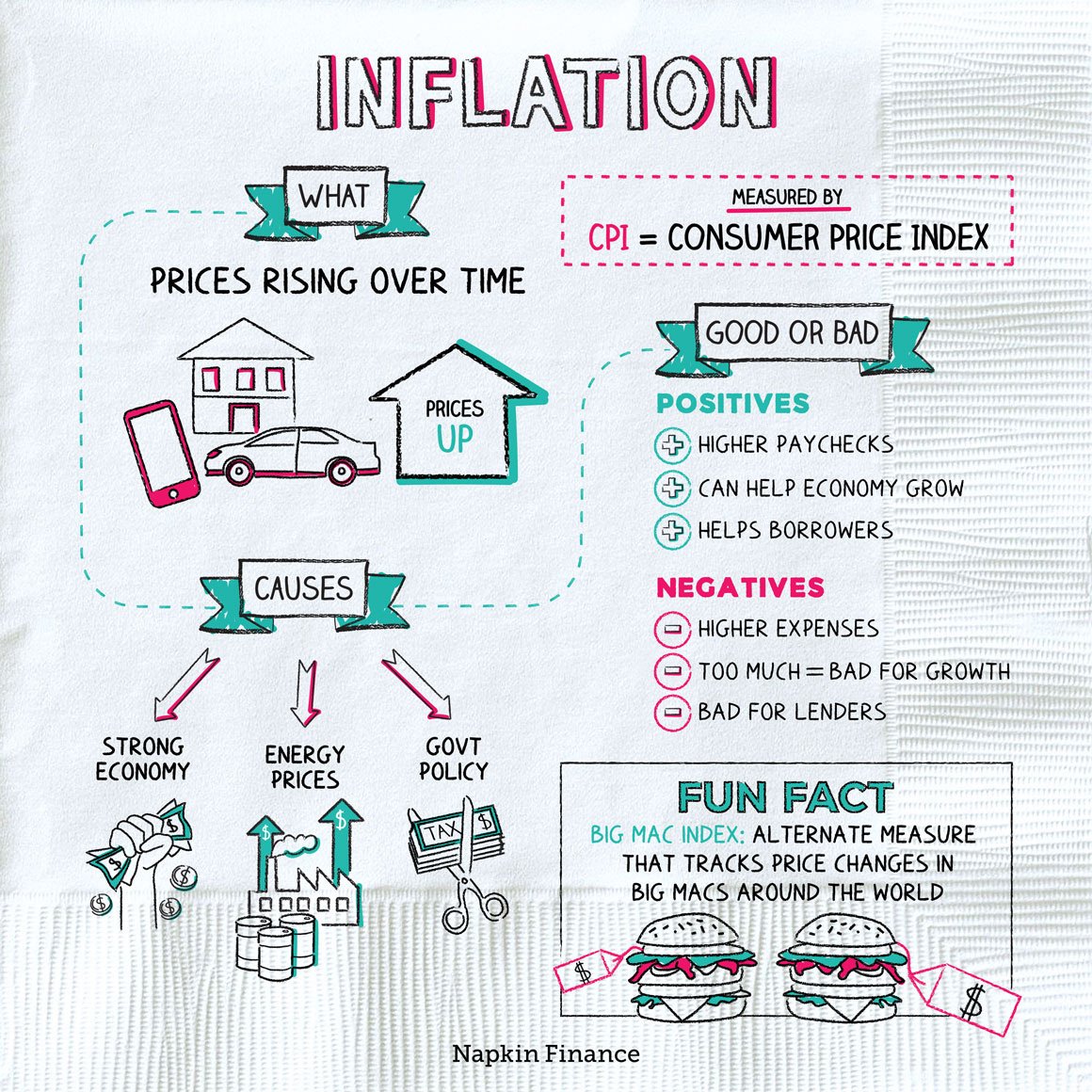
SOURCE: Napkin Finance
Inflation is when prices of things rise over time, caused by economic growth, rising energy prices, and government policies like tax cuts or printing money. It has both positive and negative effects on the economy. The government tracks inflation with price indexes, with the main measure in the U.S. being the Consumer Price Index (CPI).
Scott Medintz explores a recent analysis commissioned by Consumer Reports and supported by Breakthrough Energy. Conducted by ICF, the study forecasts significant financial burdens for individuals born in 2024 if climate change mitigation efforts are not substantially strengthened.




Scott Medintz explores a recent analysis commissioned by Consumer Reports and supported by Breakthrough Energy. Conducted by ICF, the study forecasts significant financial burdens for individuals born in 2024 if climate change mitigation efforts are not substantially strengthened.

Travis Hodges in ClaimsJournal highlights $92.9B in U.S. weather-related damages, urging a reevaluation of insurance risk and the role of brokers in providing tailored coverage.

Extreme weather and rising energy costs have raised UK household food bills by £605since 2021, driven by a 60% surge in food costs. El Niño threatens 2024, worsening the crisis.

Andre Mayer's CBC News piece shows climate change's impact on crops and supply chains. From cocoa in West Africa to olive oil in the Mediterranean, urgent measures are needed for resilience.
