
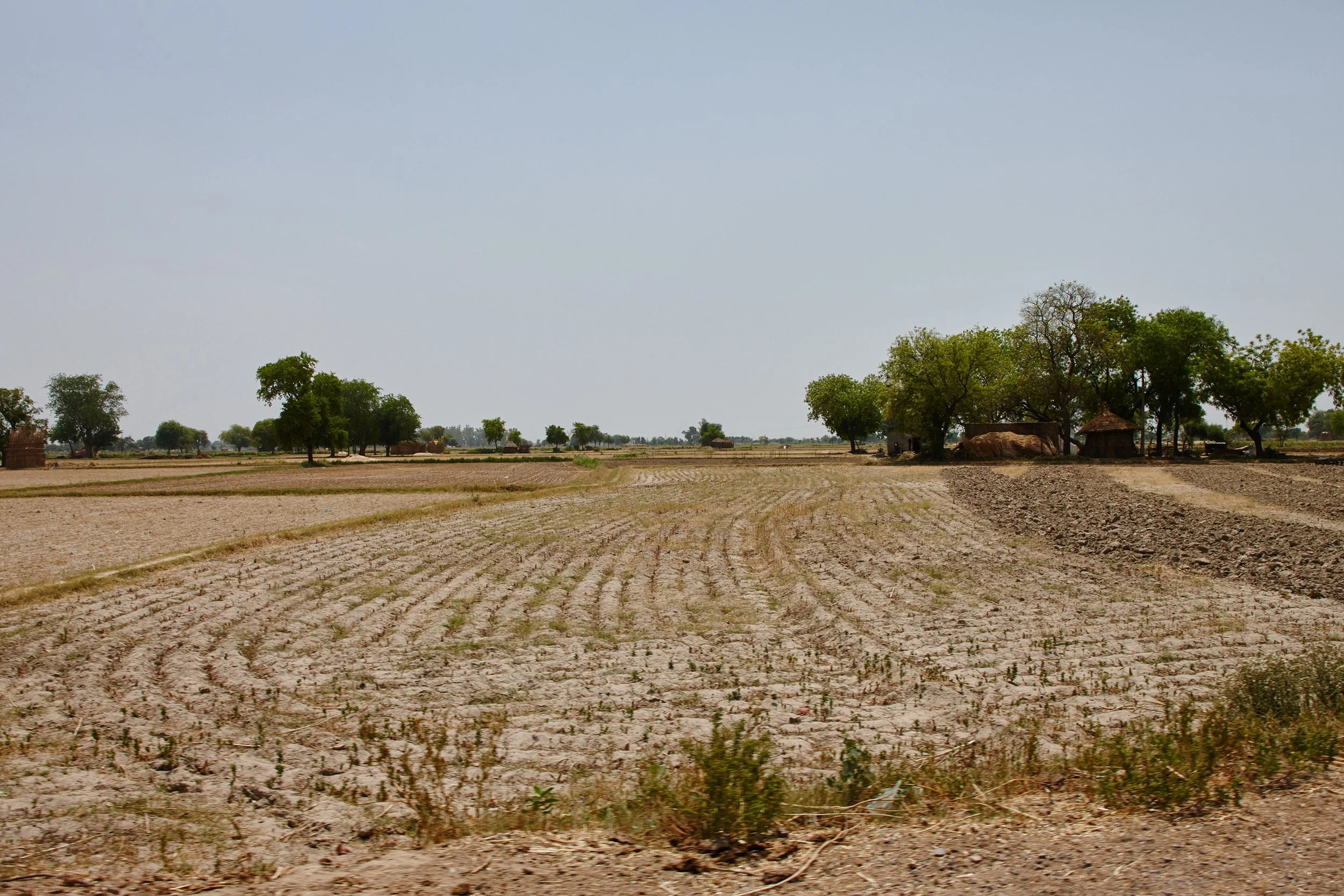
India Caps Weakest Monsoon Since 2015, Raising Food Price Risks
An El Niño-weakened monsoon ended 12.6% below average, threatening rice, sugar cane and soy as food inflation hit 5.95% in August; the government cut edible-oil import taxes and a rate hike is now seen as possible.

EXPLAINER - How could Europe's worsening drought push up food prices?
Drought-hit harvests across western and central Europe are expected to push fresh produce prices up first, with processed food price increases peaking in early 2027.

Hot Summer Economics: Economic Effects of the Hot European Summer of 2026
Triodos Bank estimates the EU's 2026 summer heat wave will cut GDP by about 1% (roughly 180 billion euros) via lower crop yields, higher electricity prices, transport disruption, and lost labor productivity.

Food prices edged up in July amid heatwaves and energy price hikes
FAO data show global staple food prices rose in July as heatwaves and El Nino-linked conditions squeezed harvests, with sugar prices up 5.6% on the month.

Cattle and Beef Market Summer Struggles
Renewed drought and extreme summer heat are deteriorating U.S. pasture conditions, slowing cattle herd recovery and adding pressure to already-high beef prices.

Drought Threatens Beef Herd Expansion and Keeps Prices High
Persistent drought across grazing regions is preventing U.S. cattle herd rebuilding, keeping beef prices historically high into 2027.

El Niño 2026: How It Could Raise Food Prices, Construction Costs, Inflation
Newly arrived El Niño threatens to push costs higher across food, building materials, and other sectors, compounding supply disruptions already underway. (Paywall)
Climate Change Is Making Your Grocery Bill More Expensive
Climate change is converting one-off weather shocks into recurring events that devastate harvests and drive grocery prices higher, compounding inflation from geopolitical disruptions. (Paywall)

‘A 'Super El Niño' Threatens Rolling Waves of Commodity-Driven Inflation
Schroders analysis warns a strong El Niño compounding fertilizer shortages and drought could historically imply a doubling of global food prices — with wheat and sugar seen as most exposed.

How could climate change raise grocery prices?
Audio feature connecting extreme weather events — specifically the 2022 European heatwave — to lasting food price increases, with analysis on how climate disruptions ripple through supply chains.

Tariffs, war, and now a historic drought have converged into a ‘perfect storm’ for U.S. farmers and food prices
Fortune reports 61% of the continental U.S. is under drought conditions and USDA's March forecast raised food price inflation for 2026 to 3.6%, with drought threatening to push livestock feed prices higher through the year.

US Agriculture Department reports food price increases from war, tariffs and drought
USDA's April 24 Food Price Outlook shows beef prices 12.1% higher year-over-year and 63% of Lower 48 states in drought; fuel and fertilizer costs up 20-40% since the Iran war began are compounding climate-driven supply pressures.

Food Prices Tracker: April 2026
UK food price inflation rose to 3.7% in April 2026 (up from 3.3% in March), with the cost of a basic weekly food basket up 29-36% since April 2022; energy shocks and climate-driven supply disruptions are flagged as key ongoing drivers.
Food Prices Are Rising Again. Drought, War, and Tariffs Are to Blame
USDA's March forecast raised its 2026 food-price inflation outlook to 3.6%, with drought affecting 61% of the continental U.S. threatening crop yields and escalating feed costs — with beef prices forecast to rise 10–18% in 2026.

Beef, That All-American Food, Is Getting Harder for Americans to Afford
CBS News reports beef prices are 12.1% above year-ago levels with USDA forecasting a further 6–18% increase for 2026, directly attributing supply contraction to drought-driven herd culling that pushed U.S. cattle inventory to its lowest since the 1960s.


